
FITZROY GARDENS, EAST MELBOURNE VIC
the digest
Order
A drinks pairing to complement the dining experience.
Pay
$320 per head for the tasting menu.
Pairings: non-alcoholic $120, hybrid $195, prestige wine $395.
Consider
Bookings can be difficult to secure – reservations open three months in advance on the 1st of each month. Note that only one solo table can be booked per evening.
Wear
Dress to impress but consider that you’ll need to walk through Fitzroy Gardens to the restaurant (I left the stilettos at home - no regrets!).
Reserve
Dinner Thursday to Saturday from 6pm to 11pm.
Lunch Friday to Sunday from 12pm to 4pm.
Access
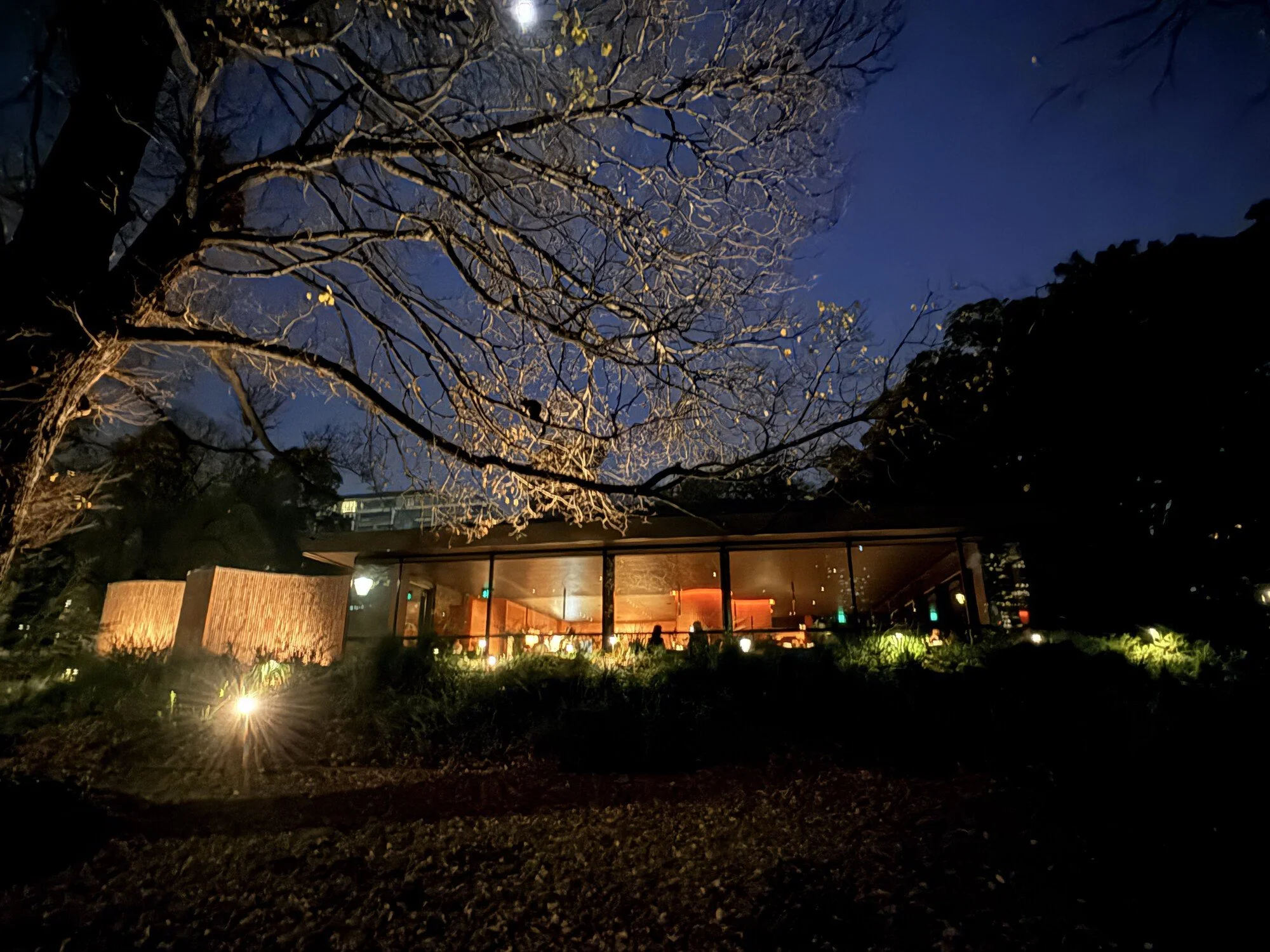
Enter Fitzroy Gardens from the Clarendon Street side, between Gipps and Hotham Street.
full REVIEW
Few restaurant openings have captured the dining world’s attention like Yiaga. Six years in the making, a blockbuster budget and three Good Food Guide hats awarded a few months after opening last Spring – its arrival garnered both acclaim and divided opinions. Intrigued by the contrast, I booked a trip to Melbourne to experience the $320 per head menu for myself.
Yiaga is the vision of Executive Chef Hugh Allen, whose reputation precedes him. Still at the helm of Vue de monde where he was appointed Executive Chef at just 23, Hugh is the first Australian chef to lead two three-hatted restaurants concurrently. Set within the heart of Fitzroy Gardens in East Melbourne, Yiaga takes its name from the Wurundjeri word meaning ‘to seek and find’ – fitting for a restaurant devoted to exploring and celebrating Australia through food, design and storytelling.
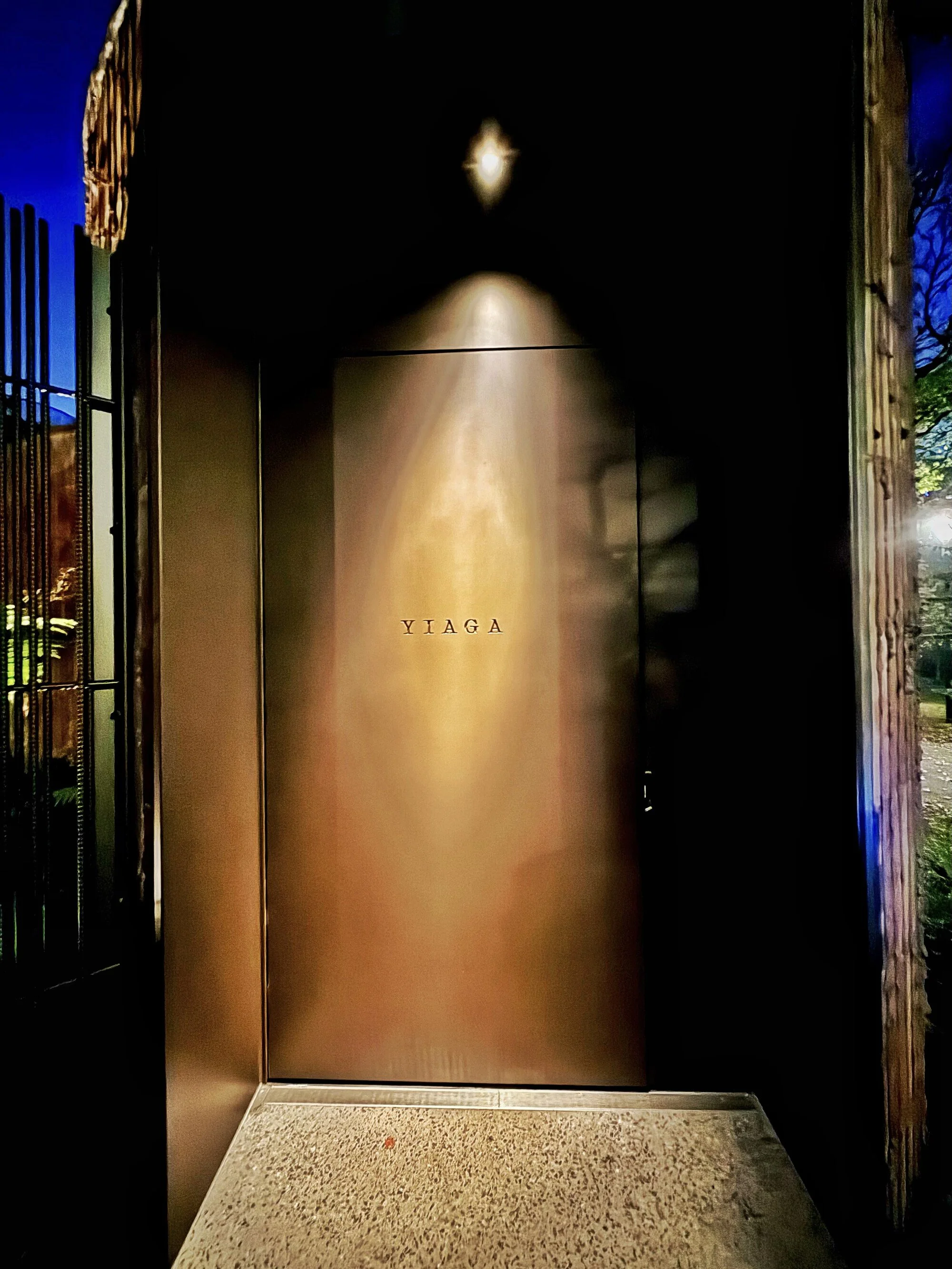
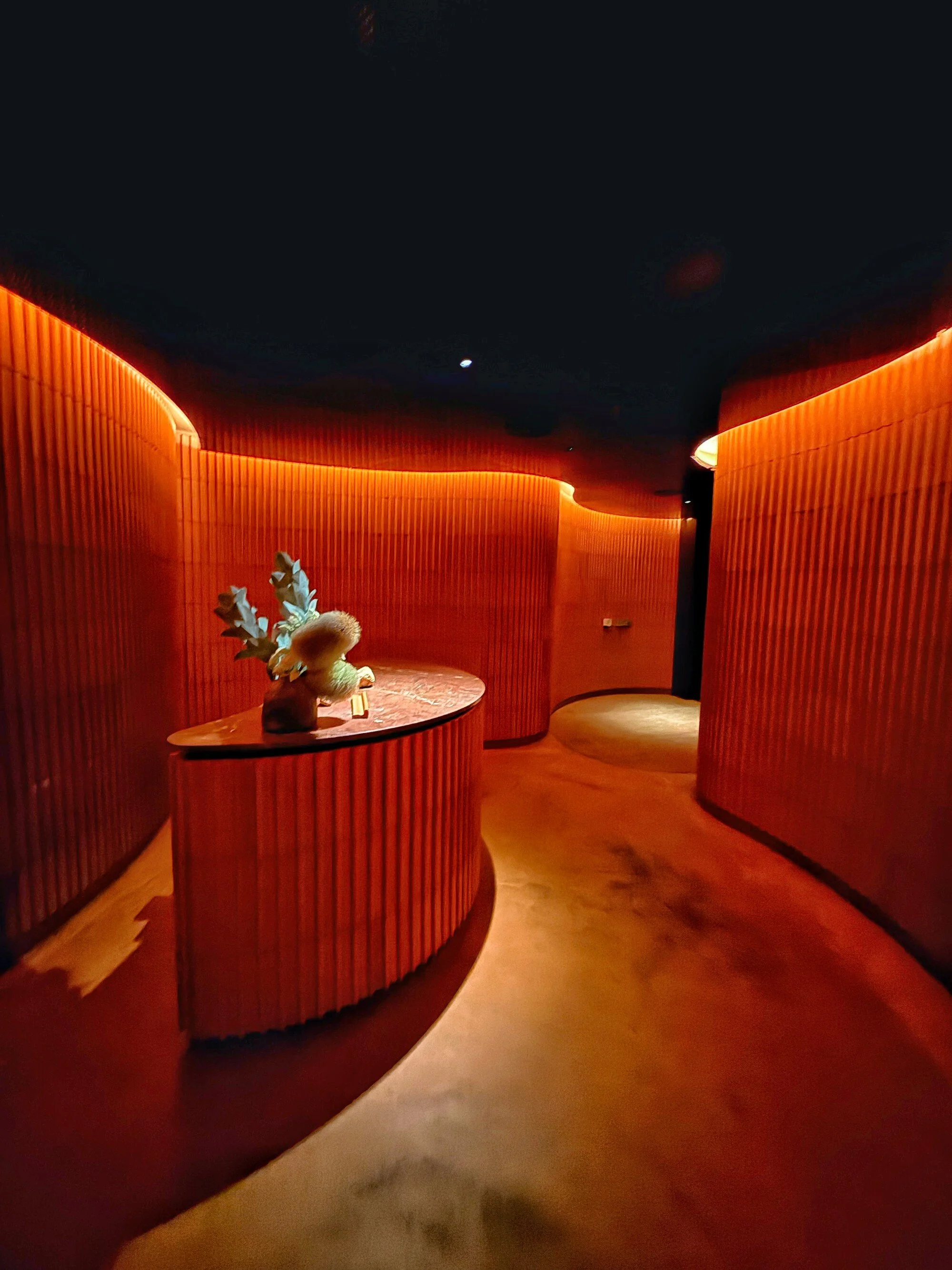
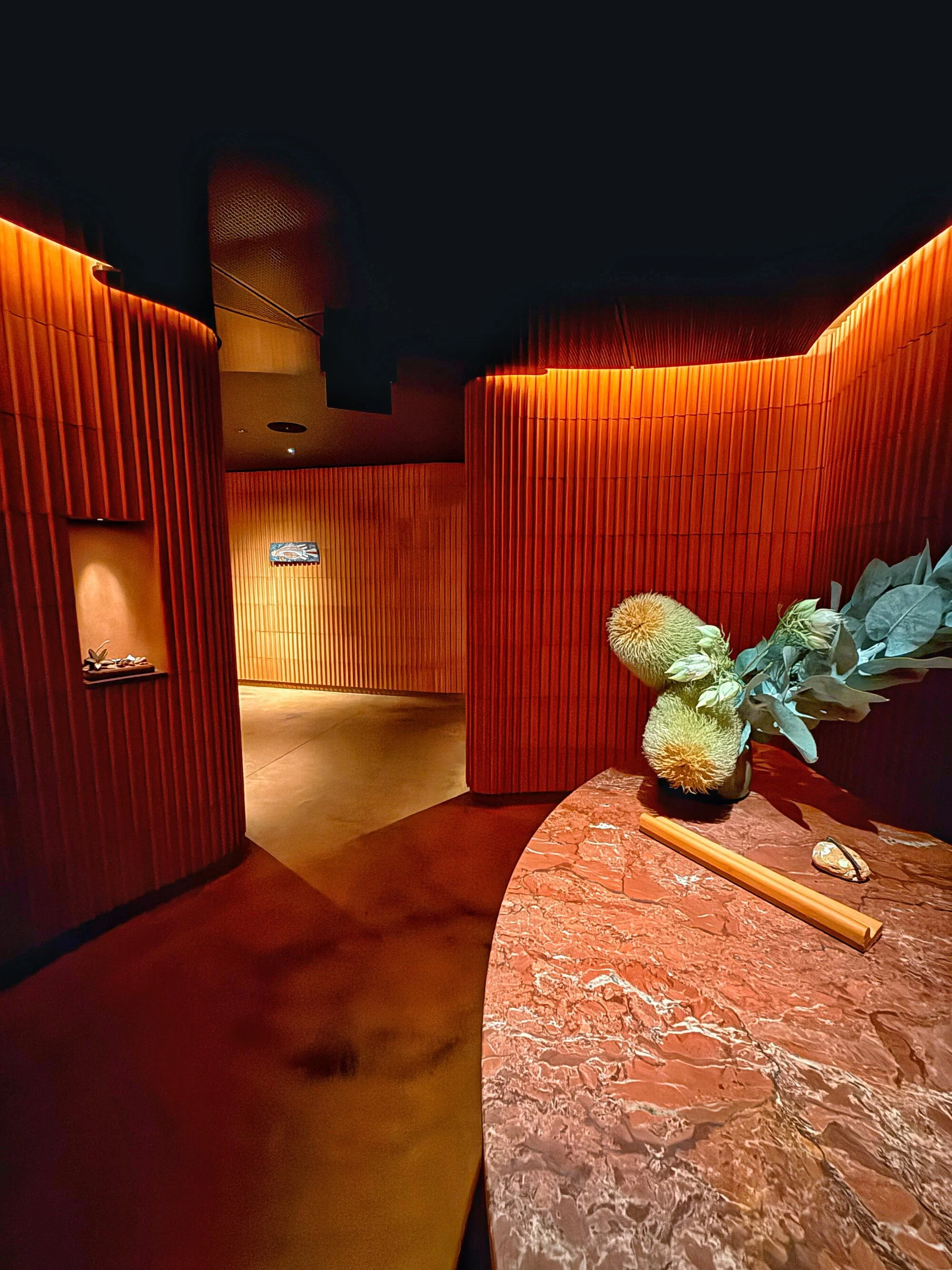
The path through the gardens leads to an unassuming front door with an intercom-style doorbell. It felt unexpectedly domestic, until I later learnt that acclaimed residential architect John Wardle was chosen to design Yiaga because Hugh wanted guests to feel as though they were arriving at someone’s home. Suddenly, the doorbell made perfect sense.
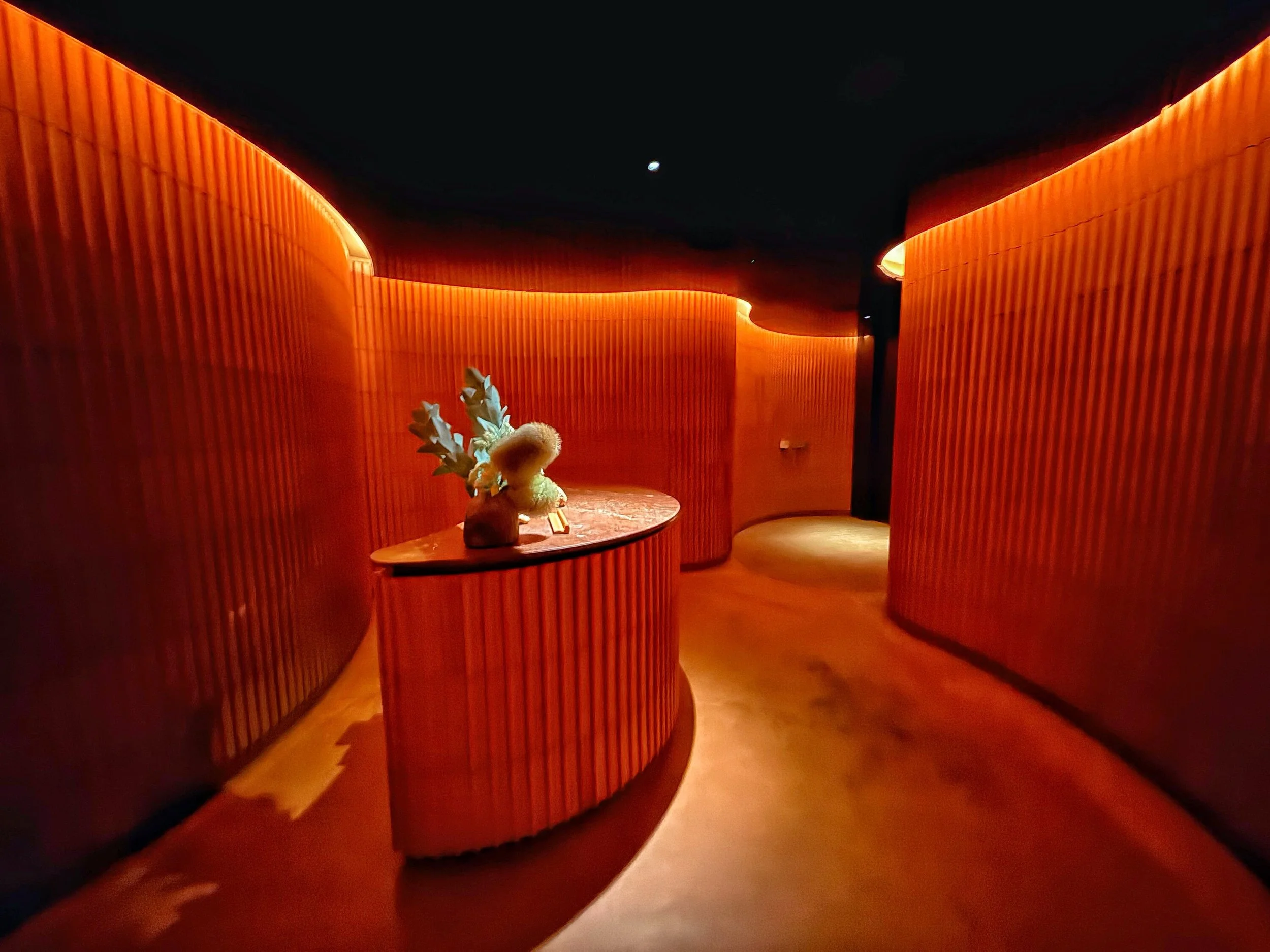
The entryway offers the first glimpse of 16,000 handmade terracotta tiles, each fashioned with a bespoke mould by third-generation potter Bobby Gordon. The installation heightens the sense of arrival, and is even more breathtaking in person than any photo can convey.
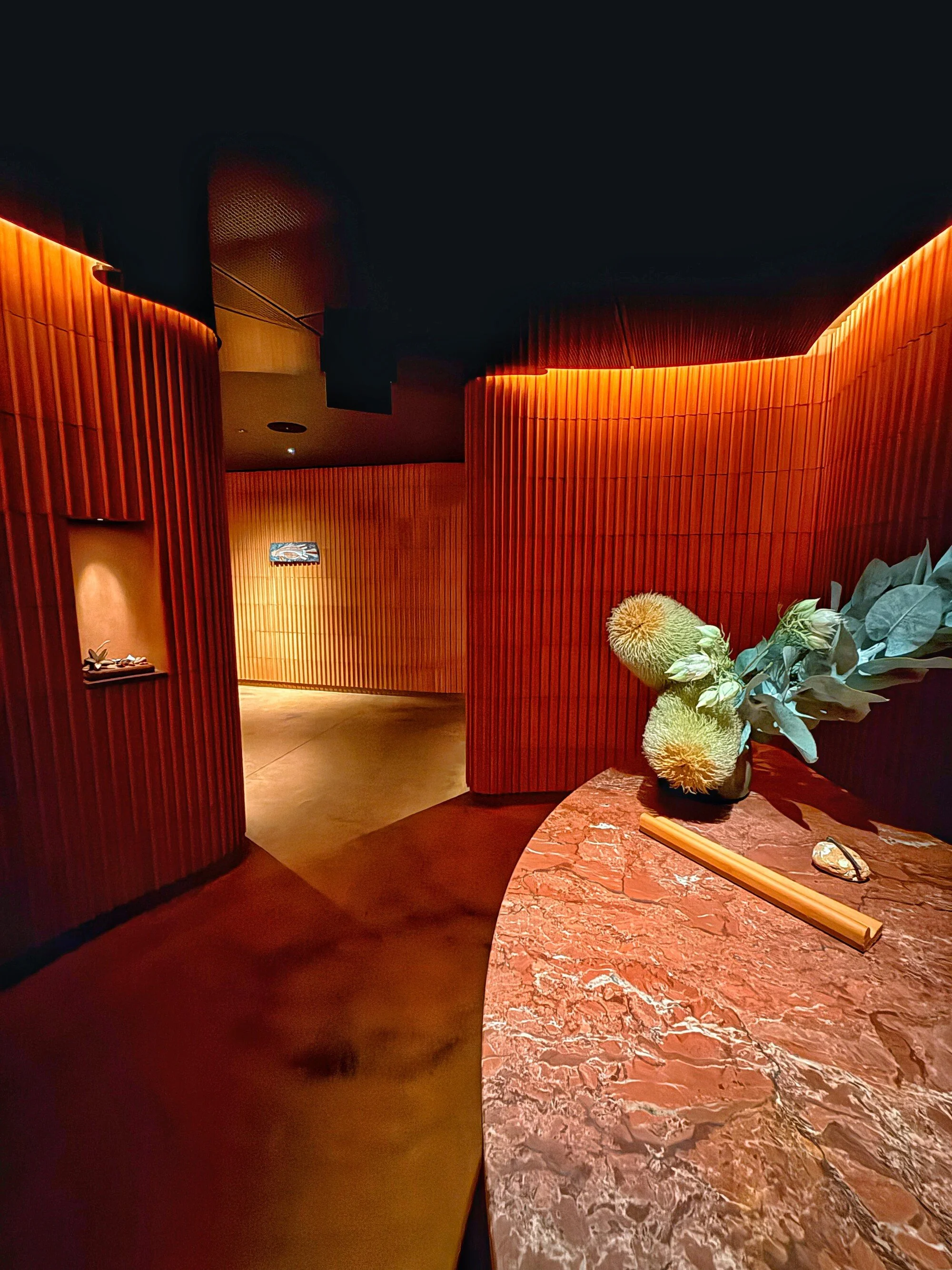
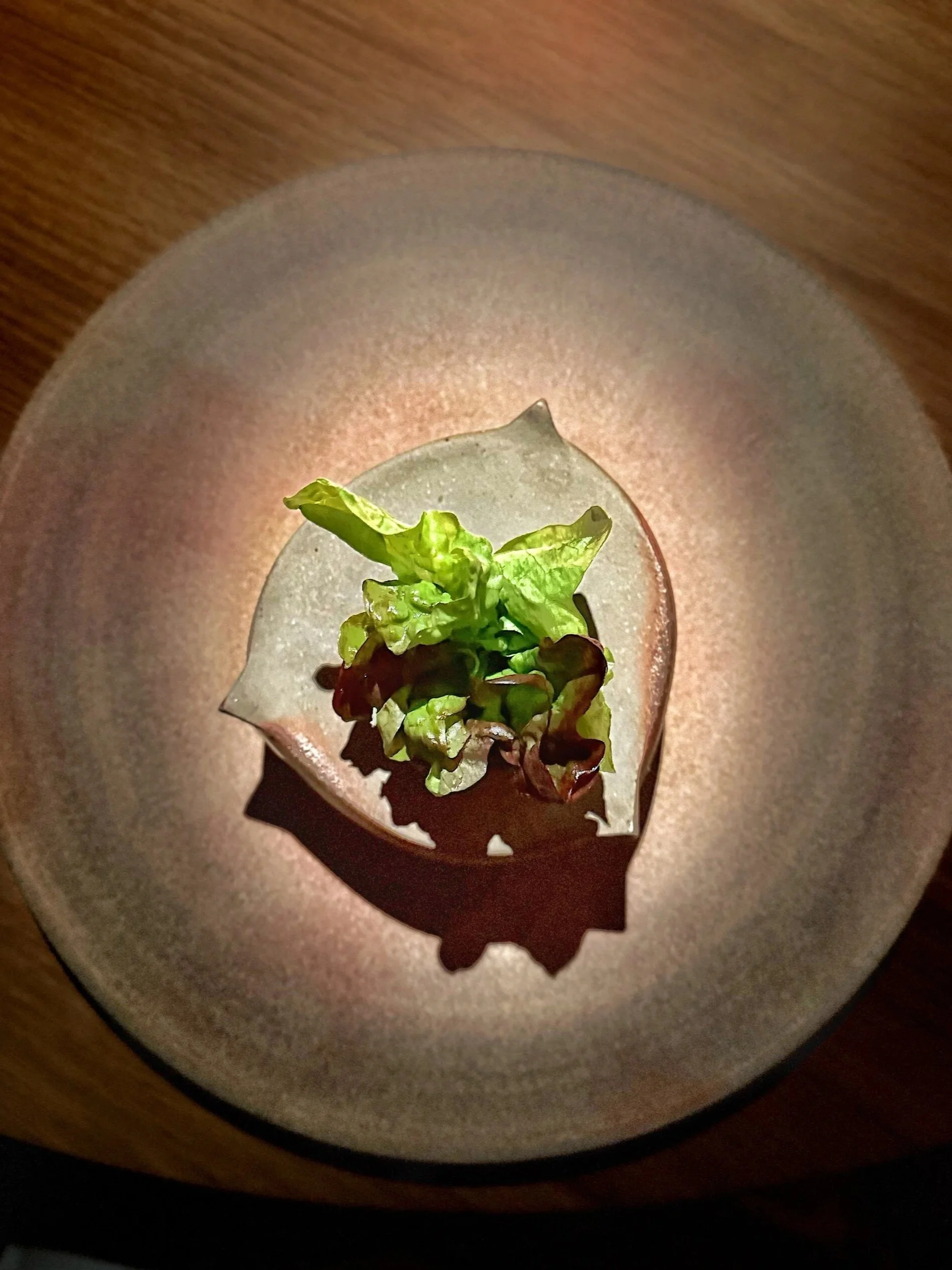
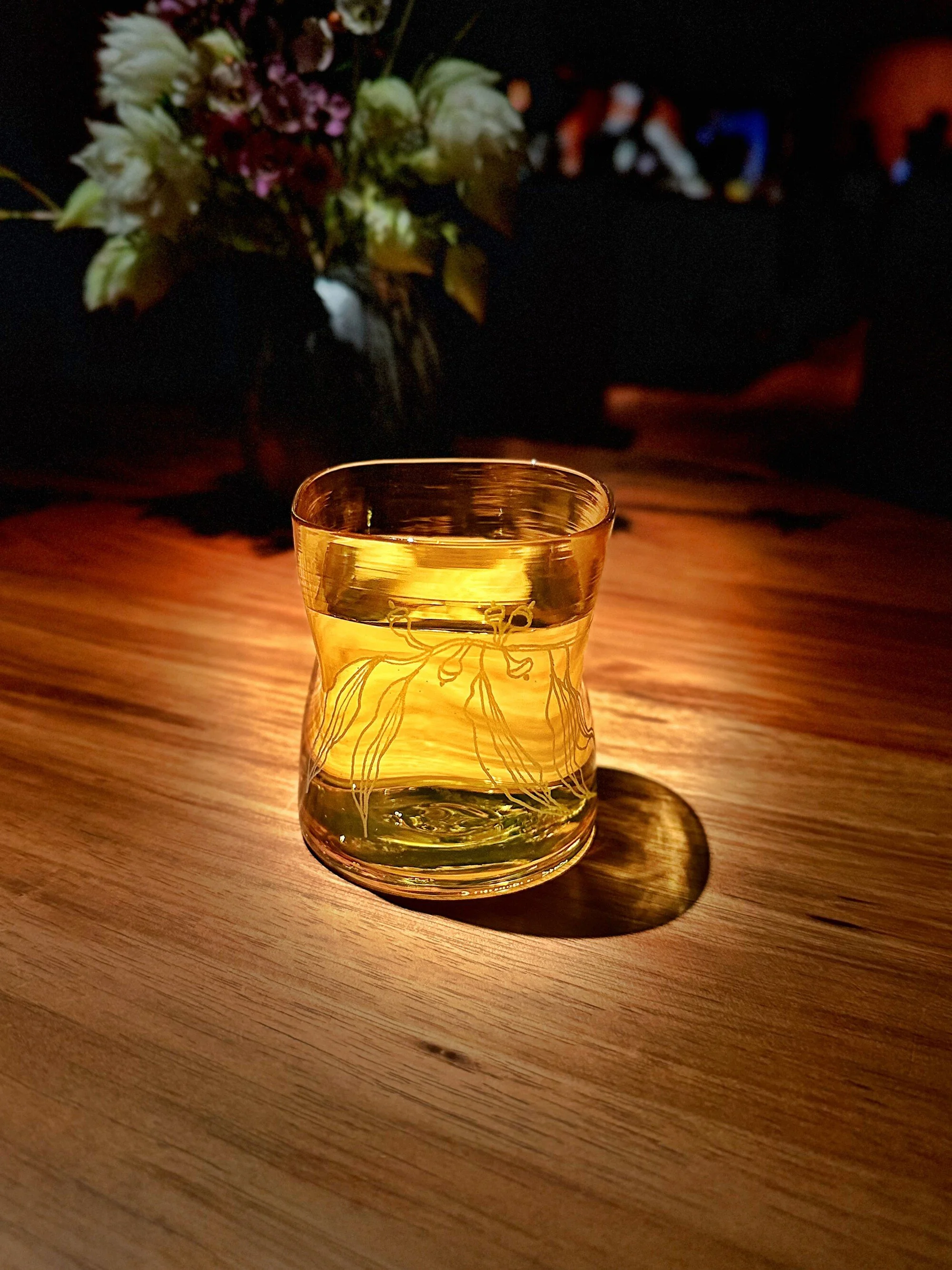

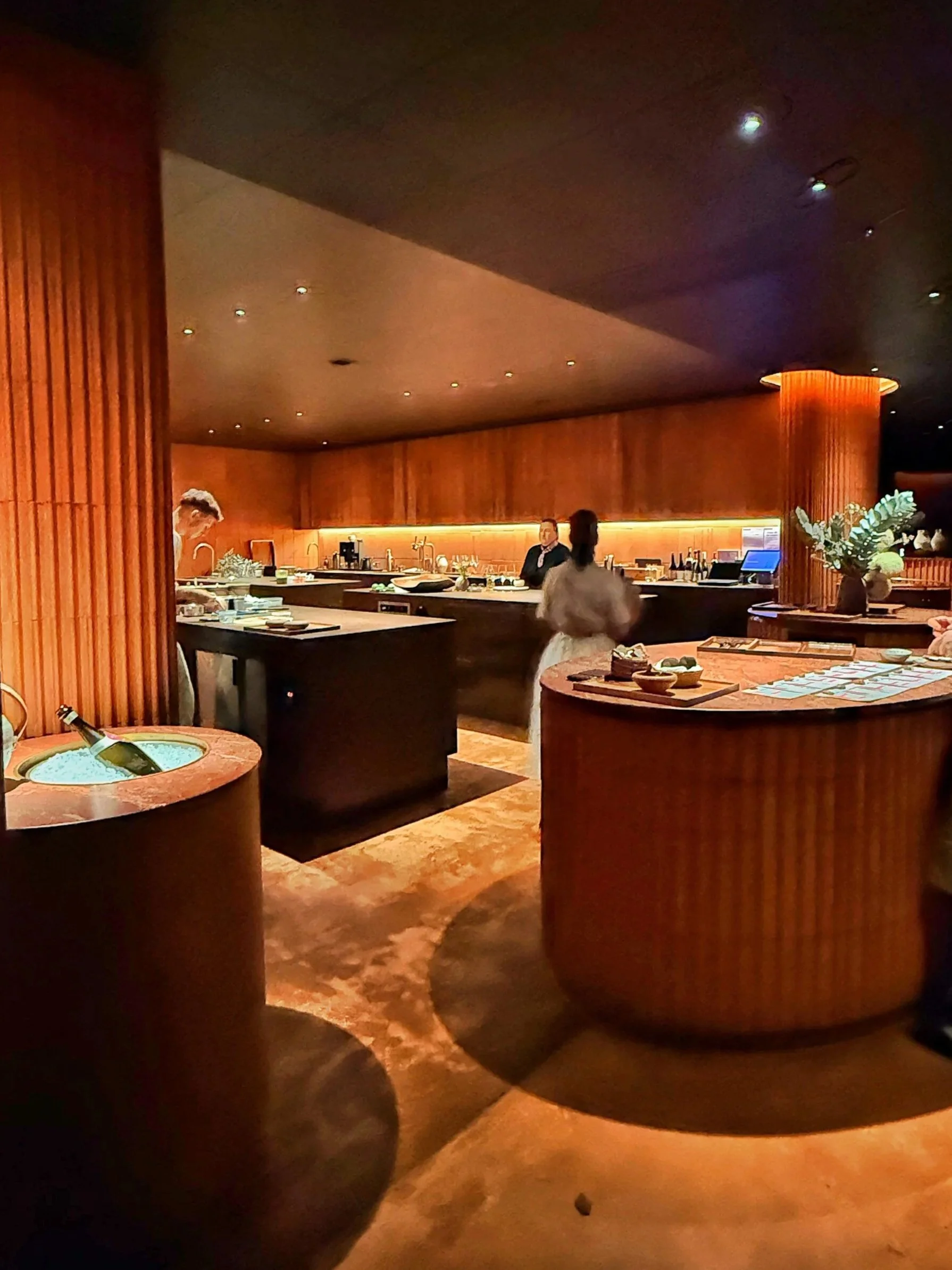
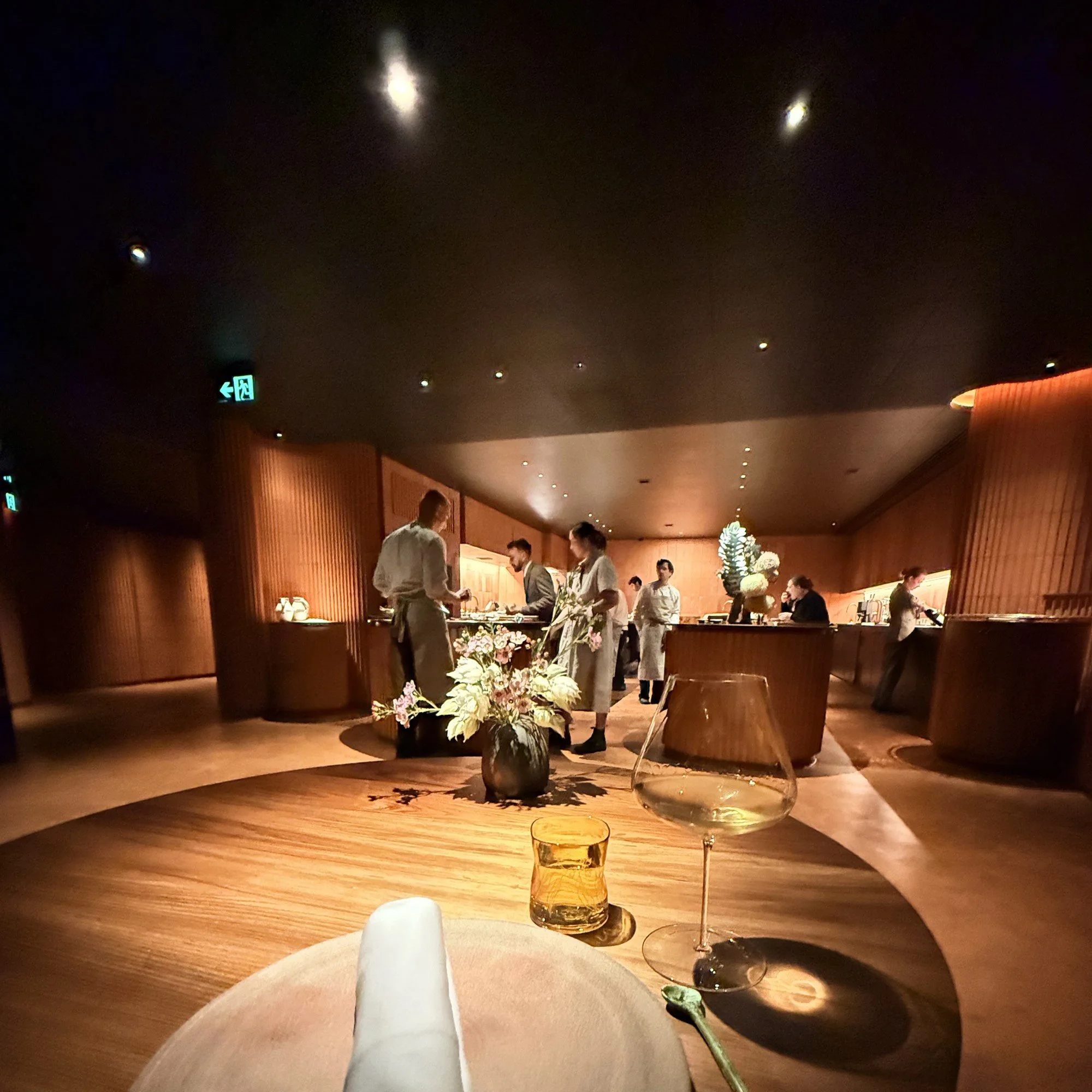
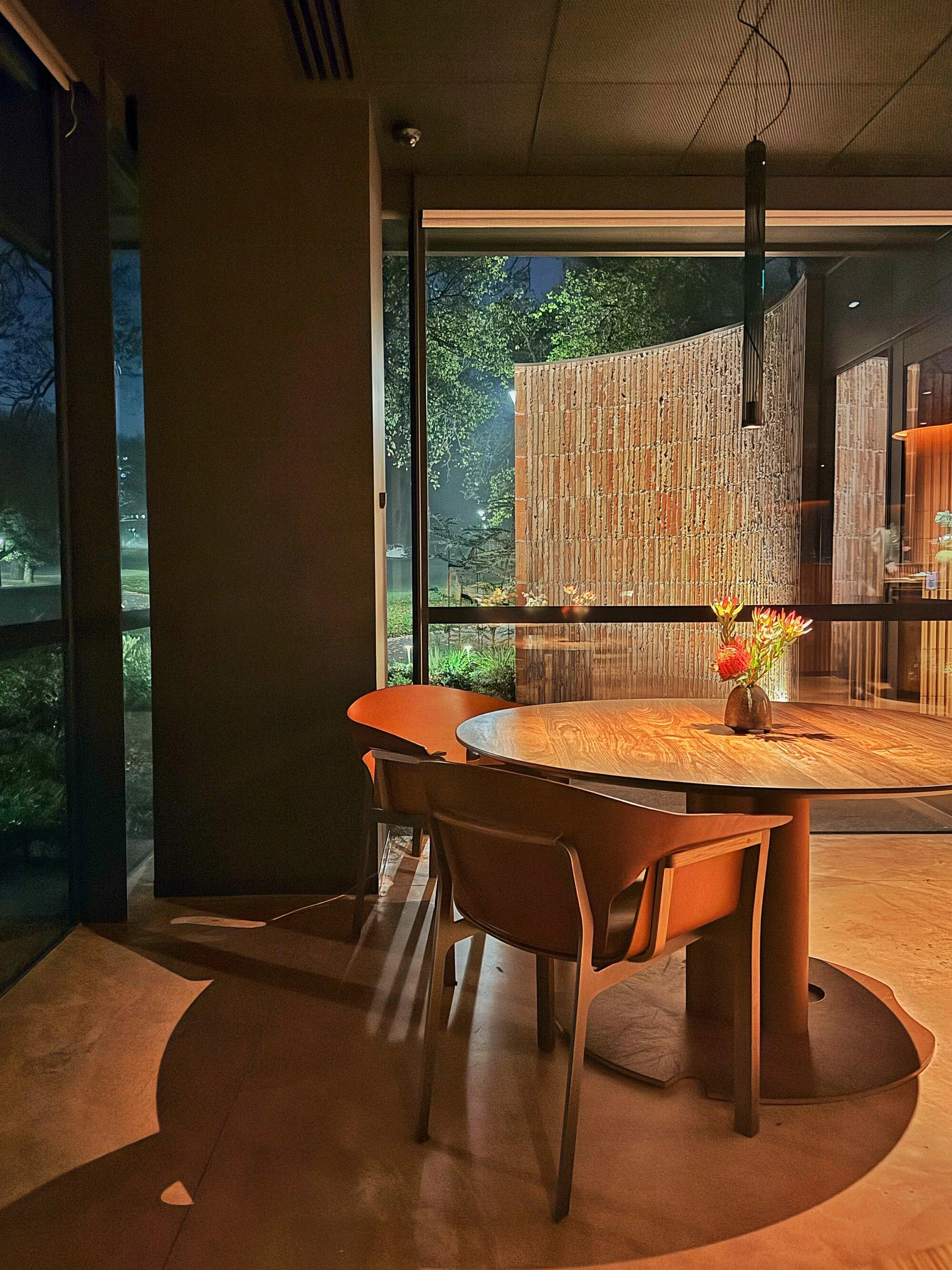
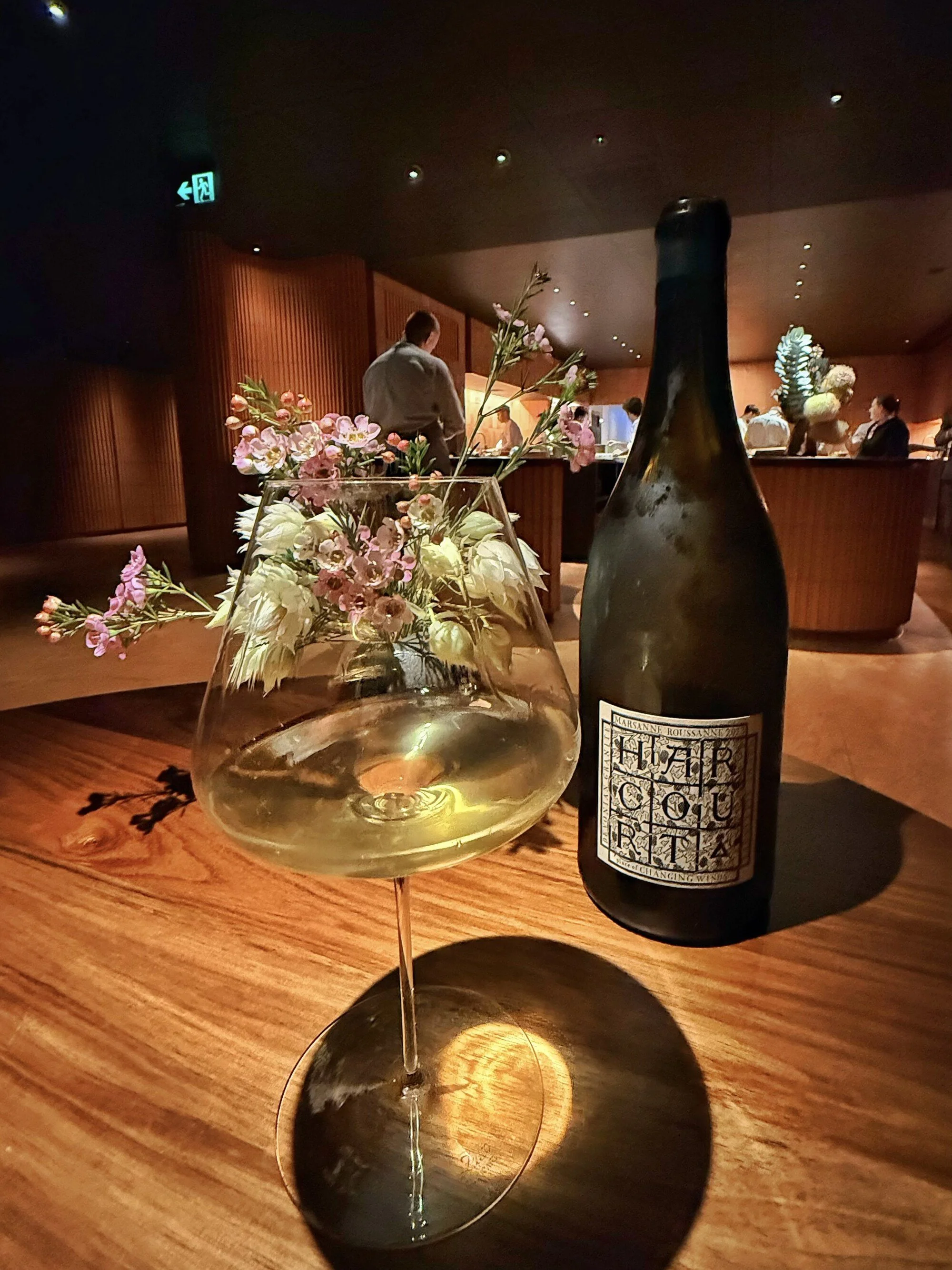
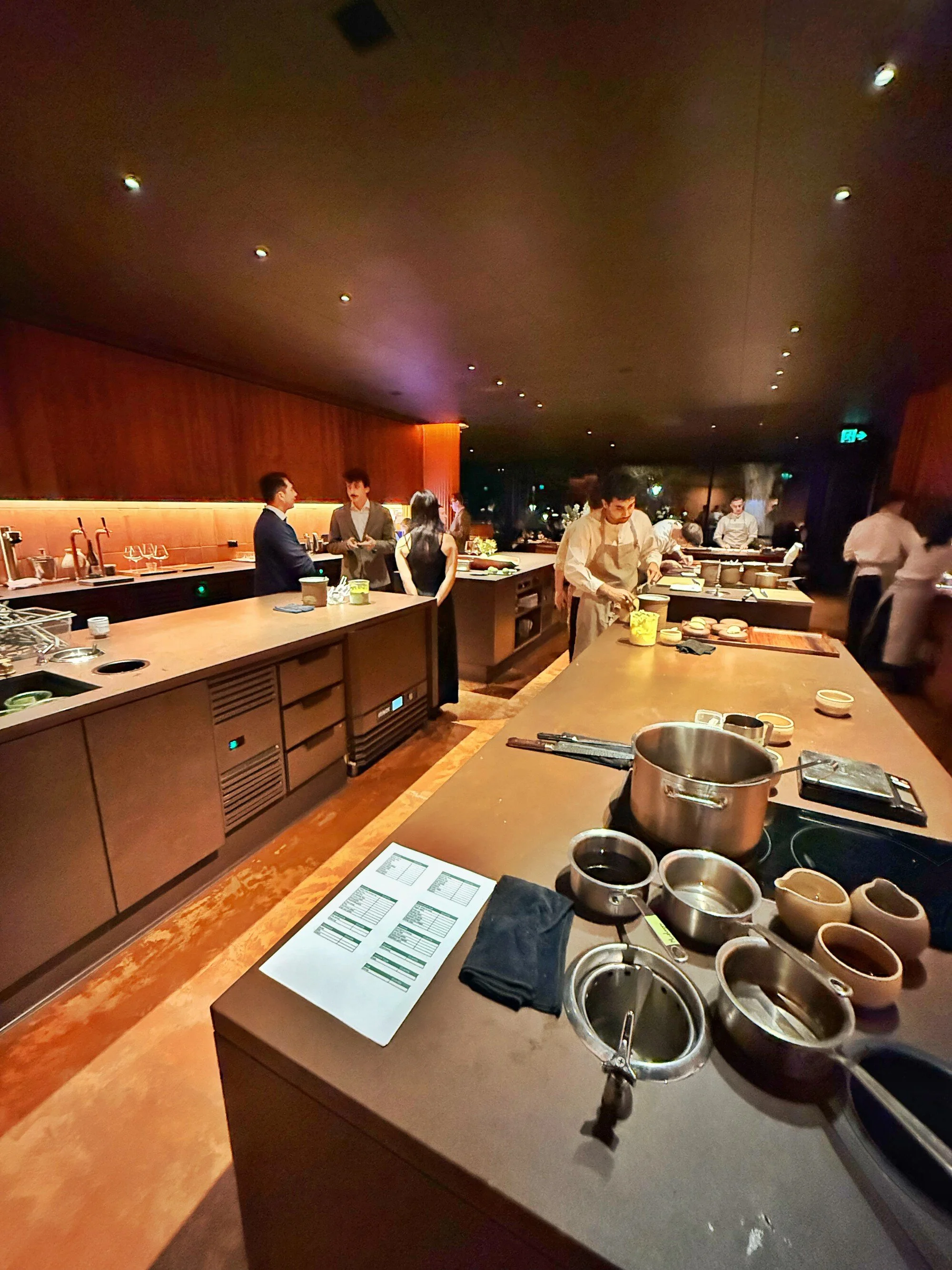
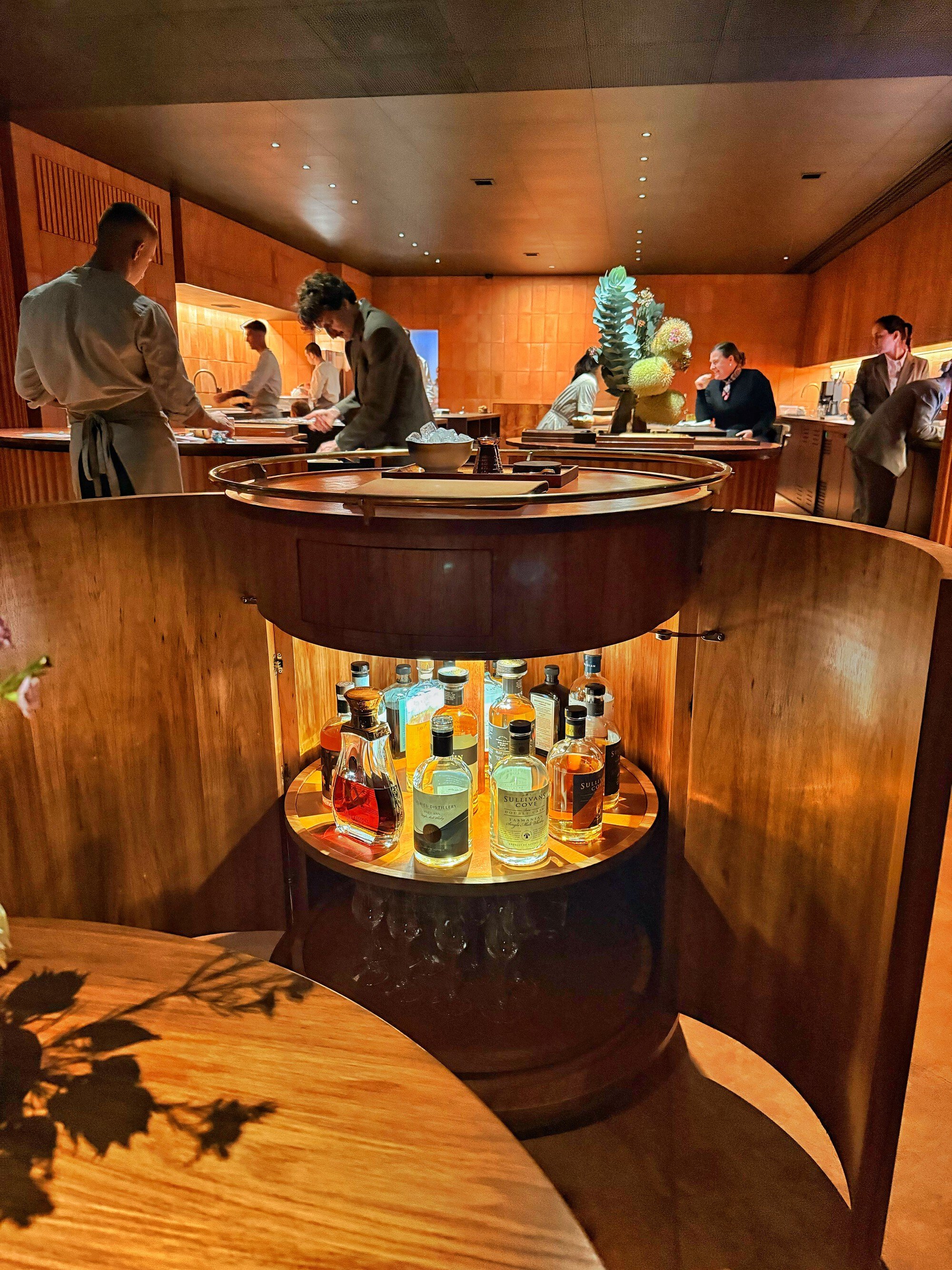
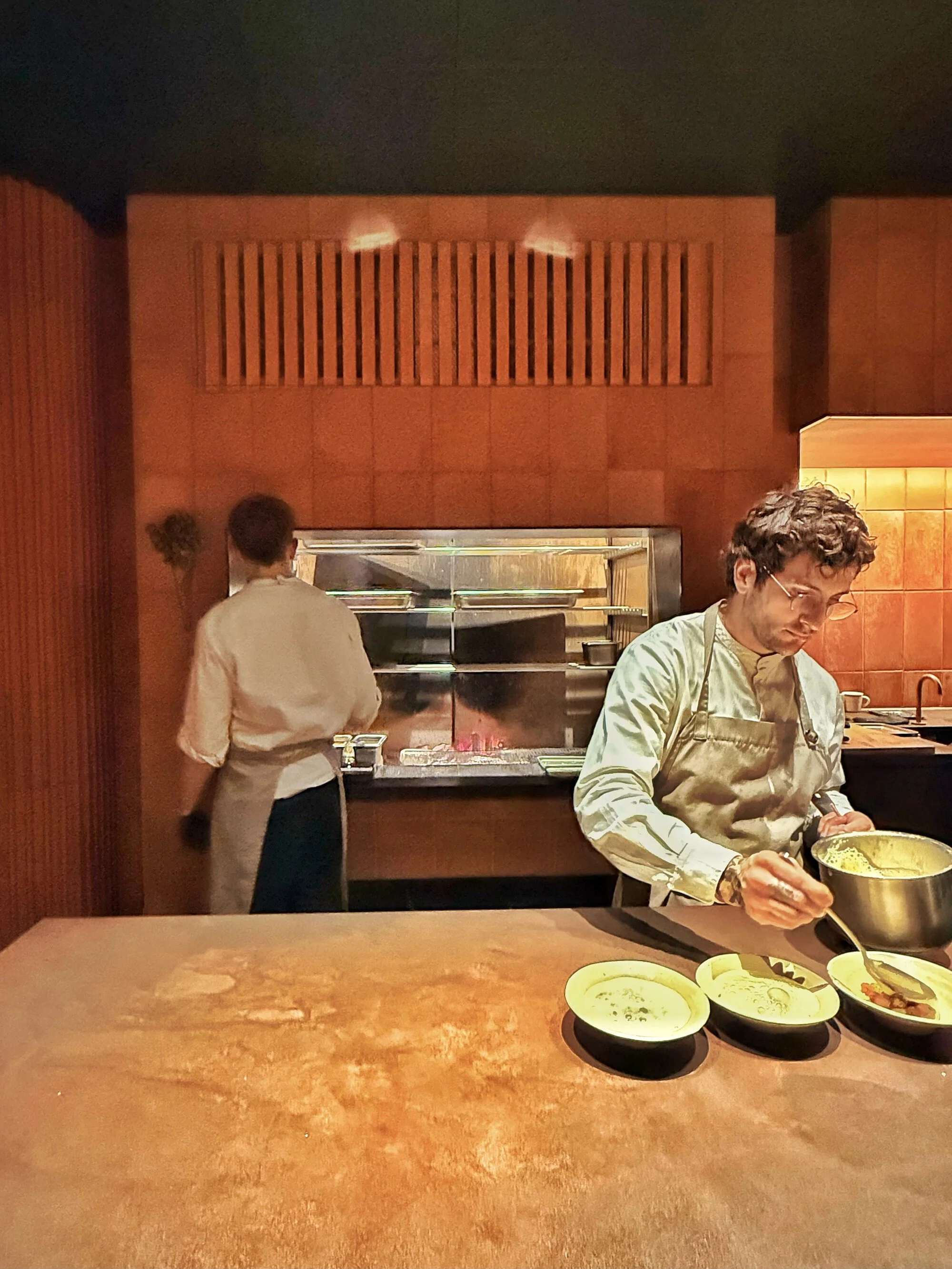
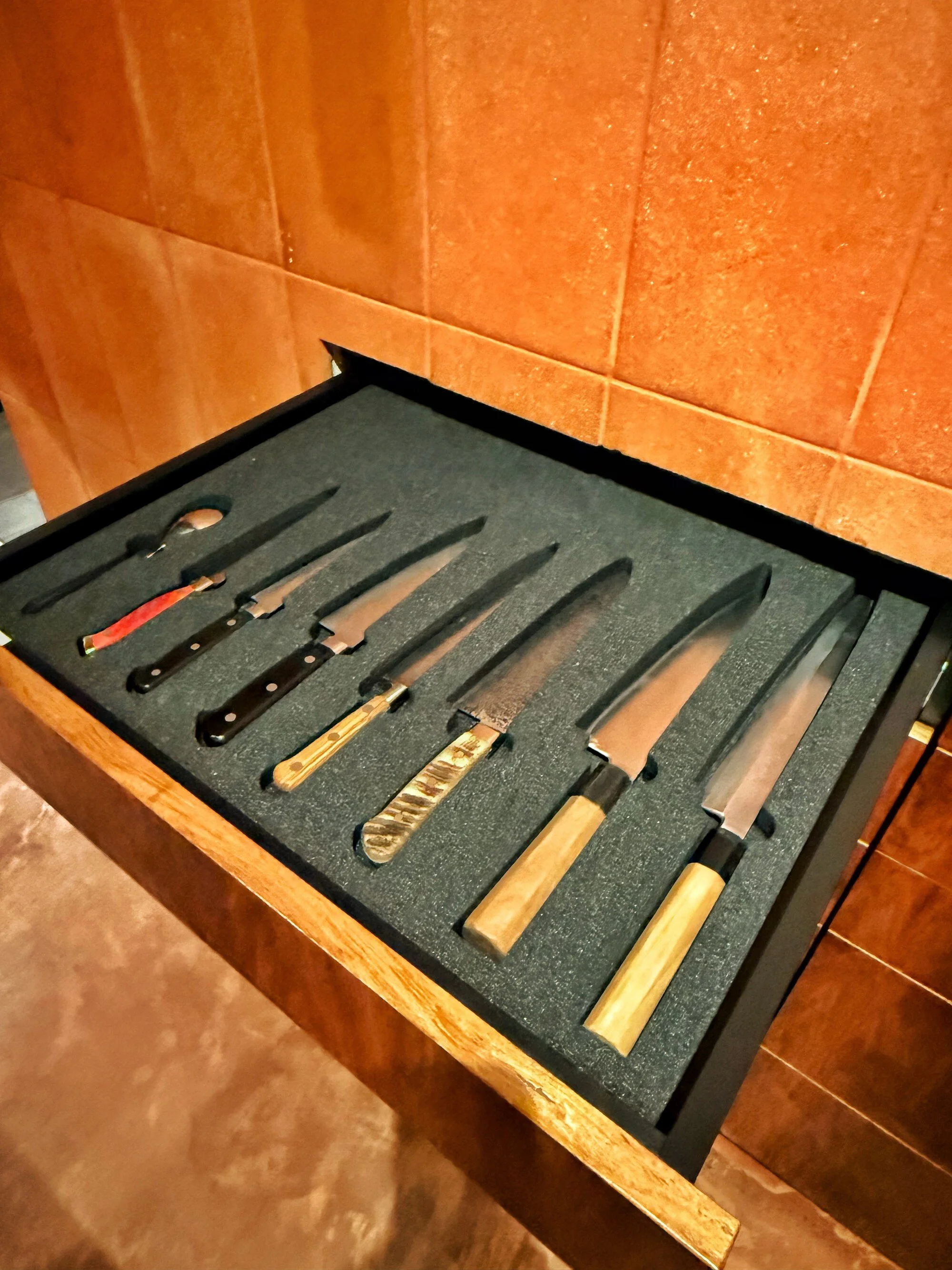
Settling into my table for one with a prime view of the striking and homely open kitchen, the level of detail continues to unfold. Yiaga is the culinary equivalent of a couture show: with the exception of the Zalto wine glasses, virtually everything you touch is tailored. From the namesake napkins and the custom-forged Metal Monkey knives, to the hand-blown Alexandra Hirst water glasses with sculptural curves echoing the architecture, each one etched with a native floral. This is Australian craftsmanship at its most exacting.
The ‘Pavilion’ dining chairs by fourth-generation furniture maker Jon Goulder feature walnut timber with pressed saddle leather: beautifully sinuous yet remarkably comfortable, proving that style and substance can coexist.
Even the soundtrack is personal, moving through a diverse range of tunes including Danish tracks like Stundom’s Gennem sneen – perhaps a nostalgic nod to Hugh and head chef Michael McAulay’s chapter together at Noma.
By this point, I was captivated by the hospitality, the architecture, the entire world Yiaga has built – and this would have been a glowing review, if it were for a museum. But Yiaga is a restaurant, and that means the food has to carry the greatest weight.
It’s what makes writing this so difficult – I wanted to love it, because few venues champion Australia with such conviction and thought. Yet while the experience was immersive and deeply considered, unfortunately the food overall didn’t resonate with my taste.
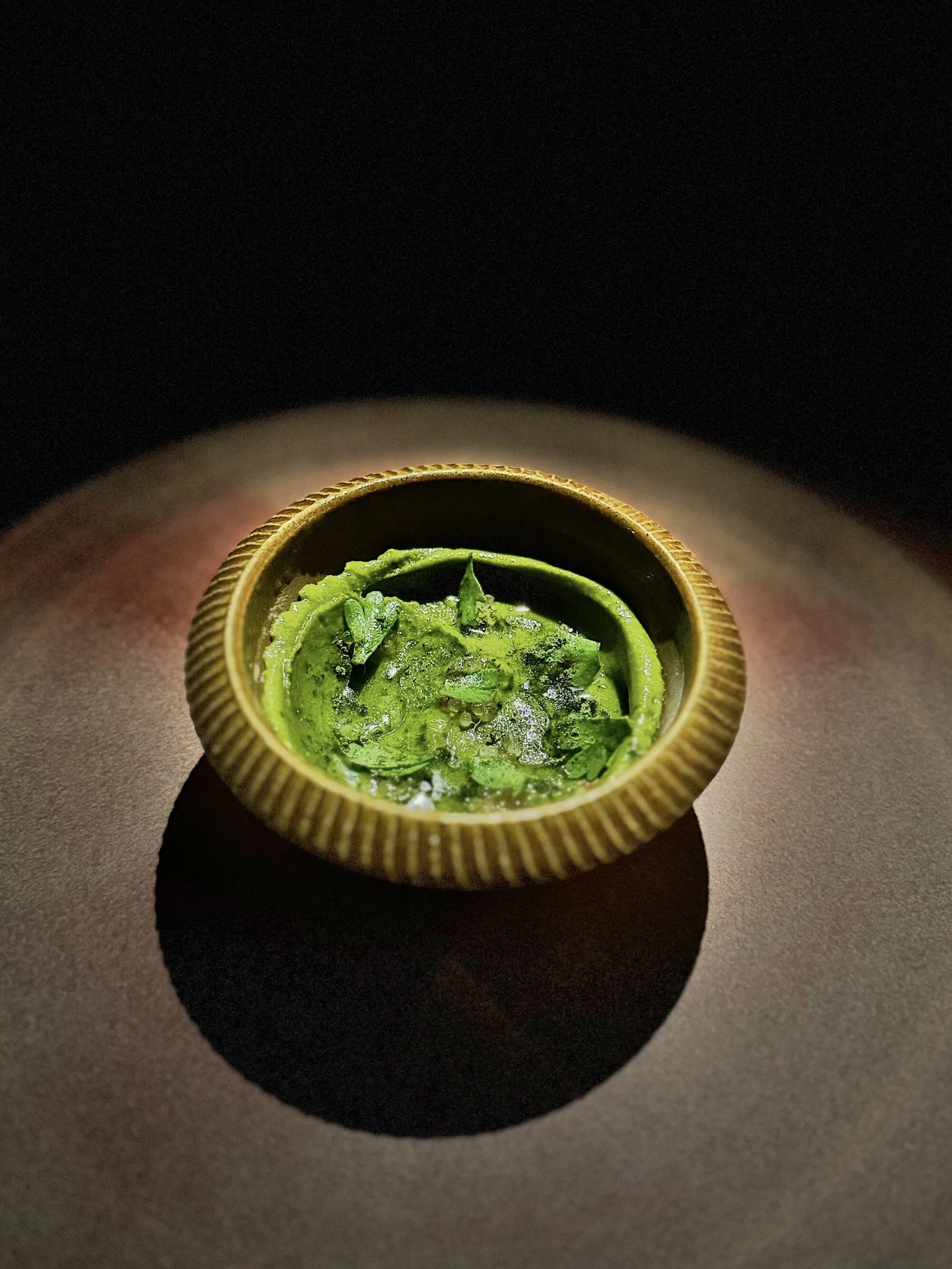
The snacks opened well, with a silky sea parsley sorbet: herbaceous and gently sweet, lifted by the bright acidity of finger lime. The oak lettuce miso tart that followed was refreshing, but conceptually more filler than hit. Blackmore 9+ Wagyu brisket rounded things out (music to this beef enthusiast’s ears), but the butter of the steamed bread overshadowed the raw beef and the citric green ants.
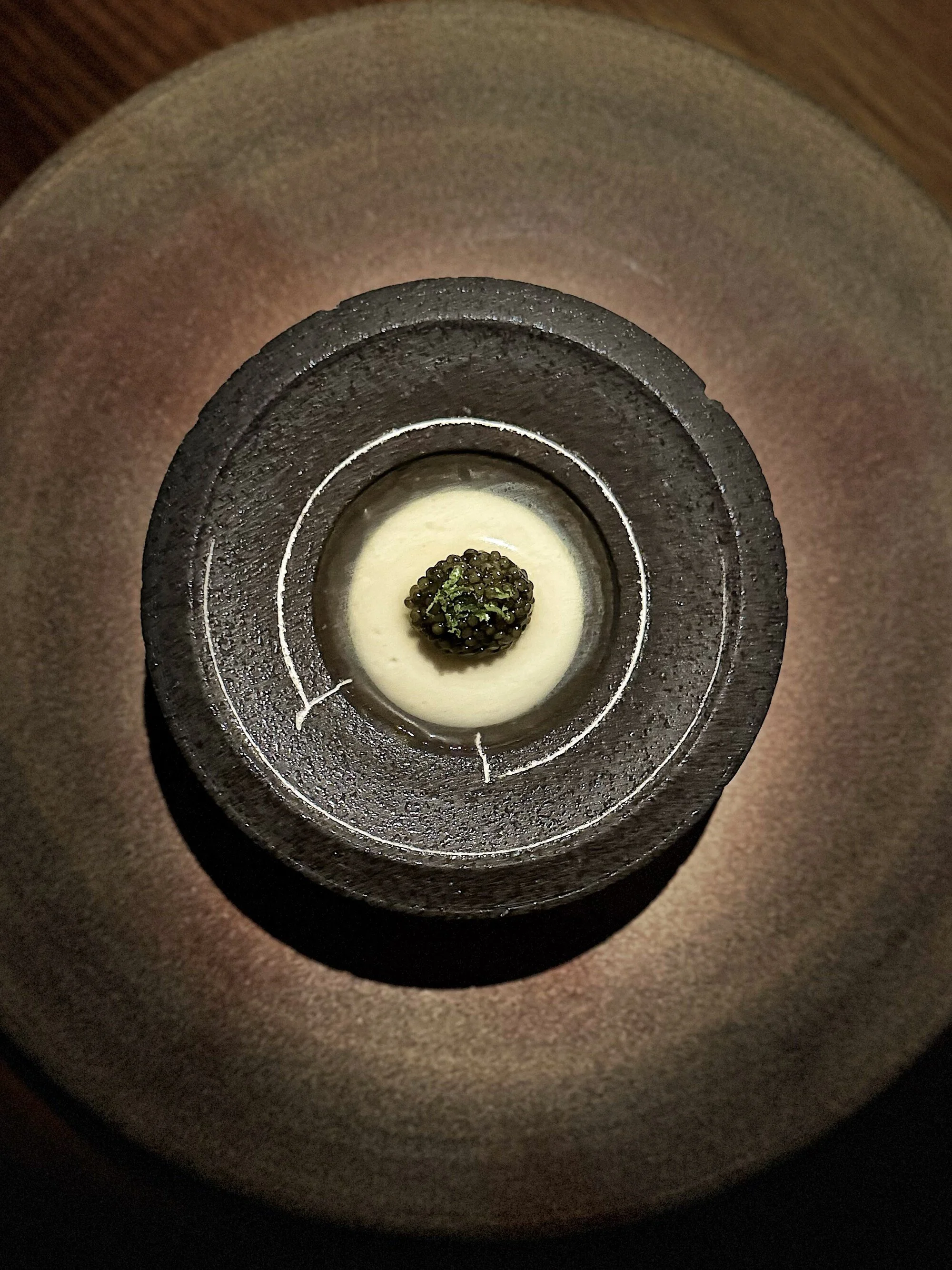
The coconut caviar arrived next, a dish that appears to have won over many on social media, but it was one of my least favourite courses of the evening. The combined richness of macadamia oil and creamy coconut dominated the palate, masking the briny, delicate nutty character of the N25 Oscietra caviar despite a garnish of lime zest. For me, it missed the mark on both flavour balance and textural contrast.
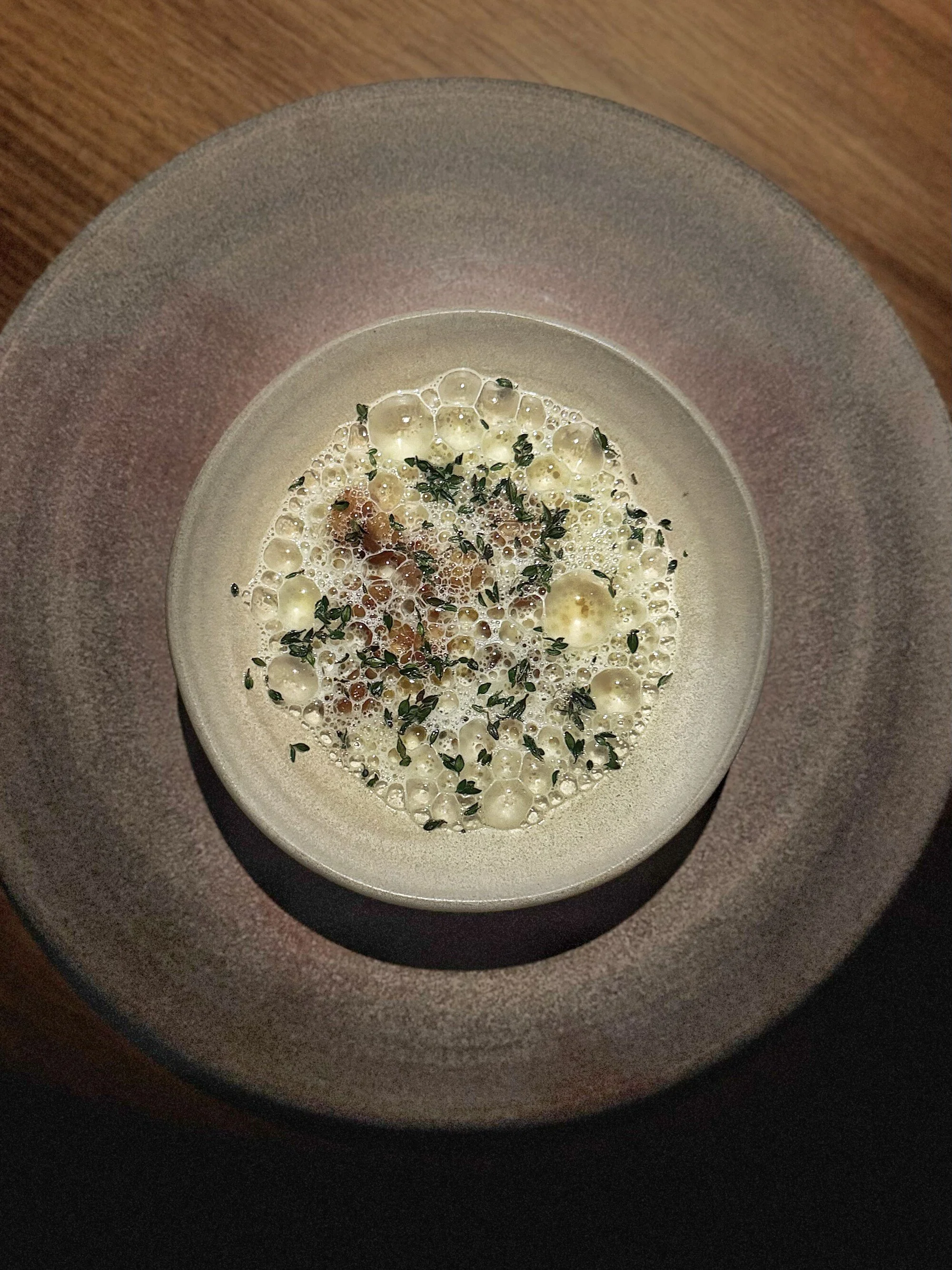
Then came the highlights. First, the foamy soup – aromatic Tilsit cheese, diced celeriac, and lemon thyme. It was harmonious and comforting, the Tilsit’s pungency present without overpowering.
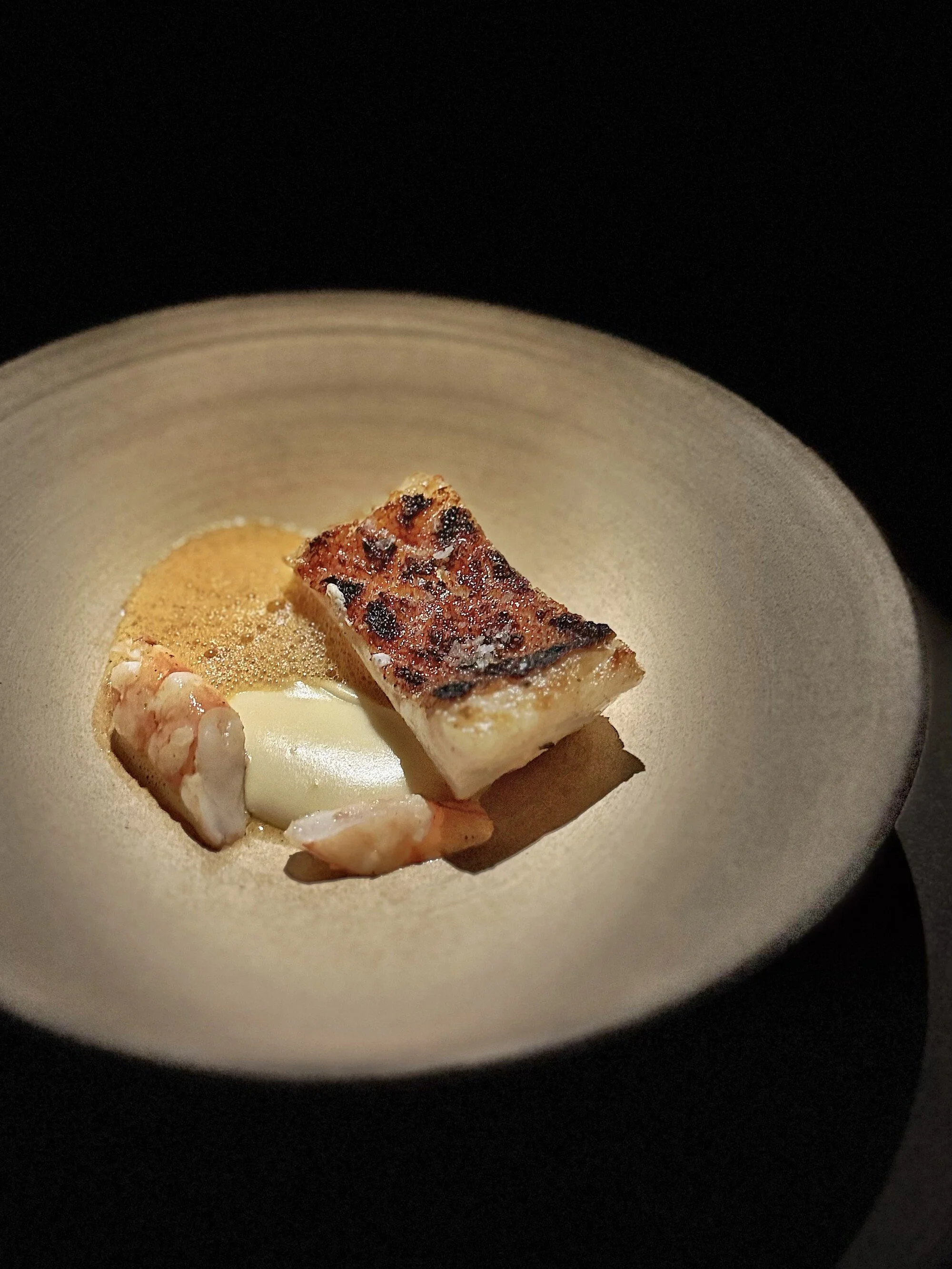
My optimism was fully restored by the north Queensland coral trout: dry-aged for five days, confit in butter, and grilled impeccably over charcoal with just the right amount of smokiness. The artichoke element was the finest expression of a velvety purée; the Ballina prawns lightly cooked to a plump glory, their heads reduced into a robust foam. This course was a textbook example of flavour, composition and world-class Australian produce working in concert.
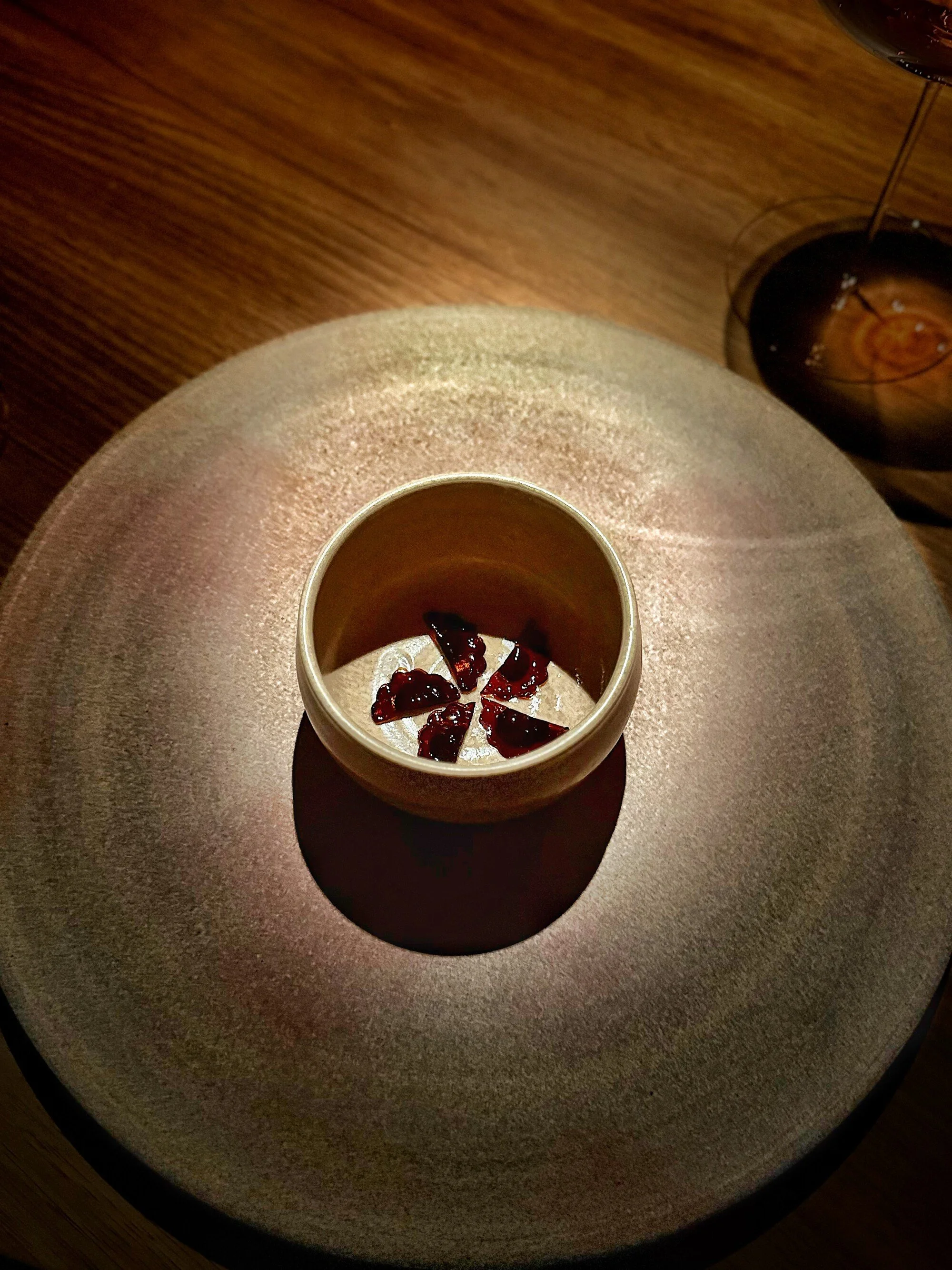
That momentum eased with the black garlic dumplings served in a duck/quail and eucalyptus broth – the morsels a little too small to contribute meaningfully, leaving me slightly puzzled.
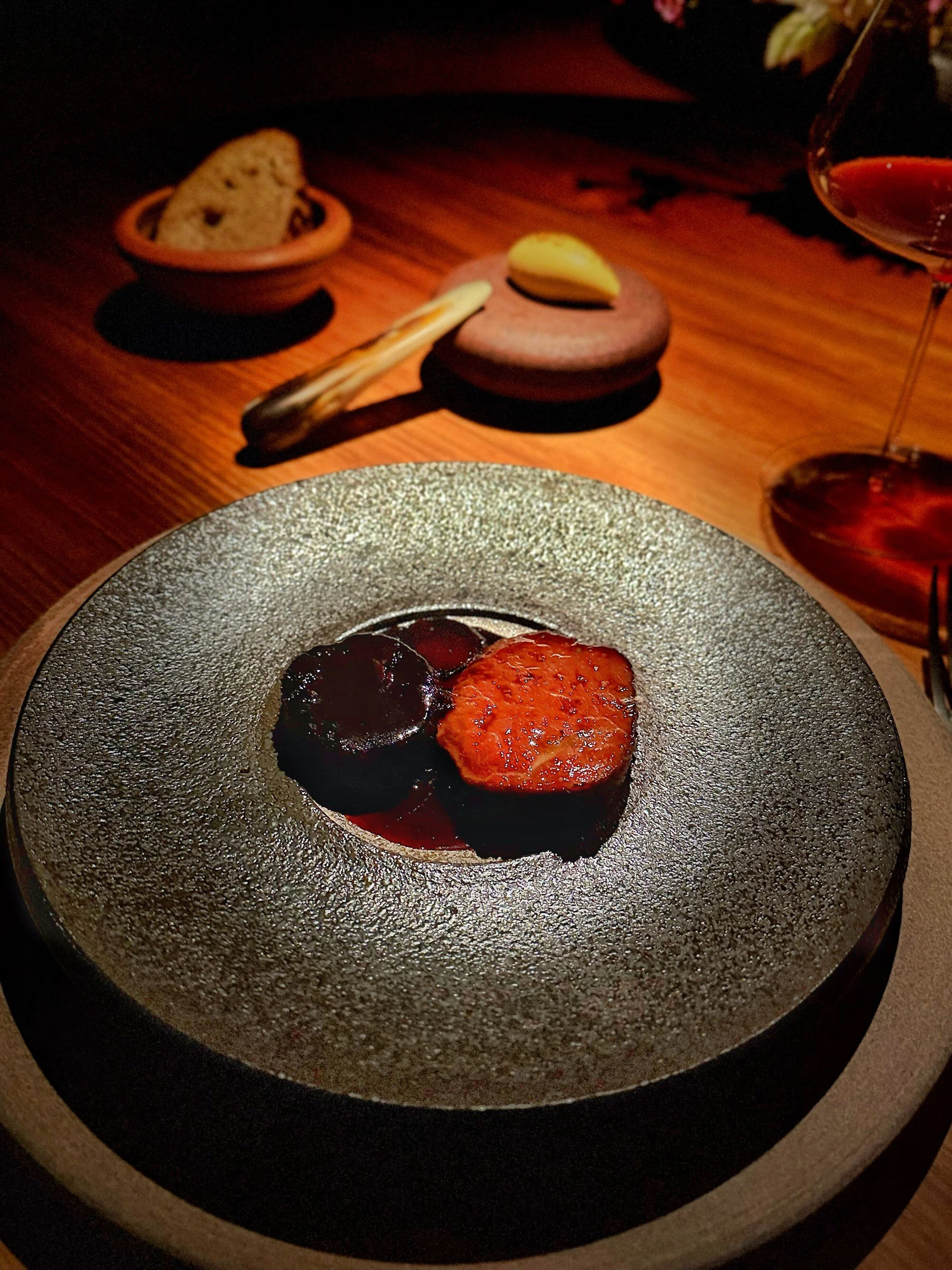
The main course soon arrived: Sambar venison, presented two ways with shank and loin, accompanied by heritage apple, jus and a side of sourdough. My taste runs to the salty side, and even by that measure, the seasoning was a touch heavy-handed. I made my way through as much as I could, though even with plenty of water and the bread and butter on the table, I didn't quite finish the course.
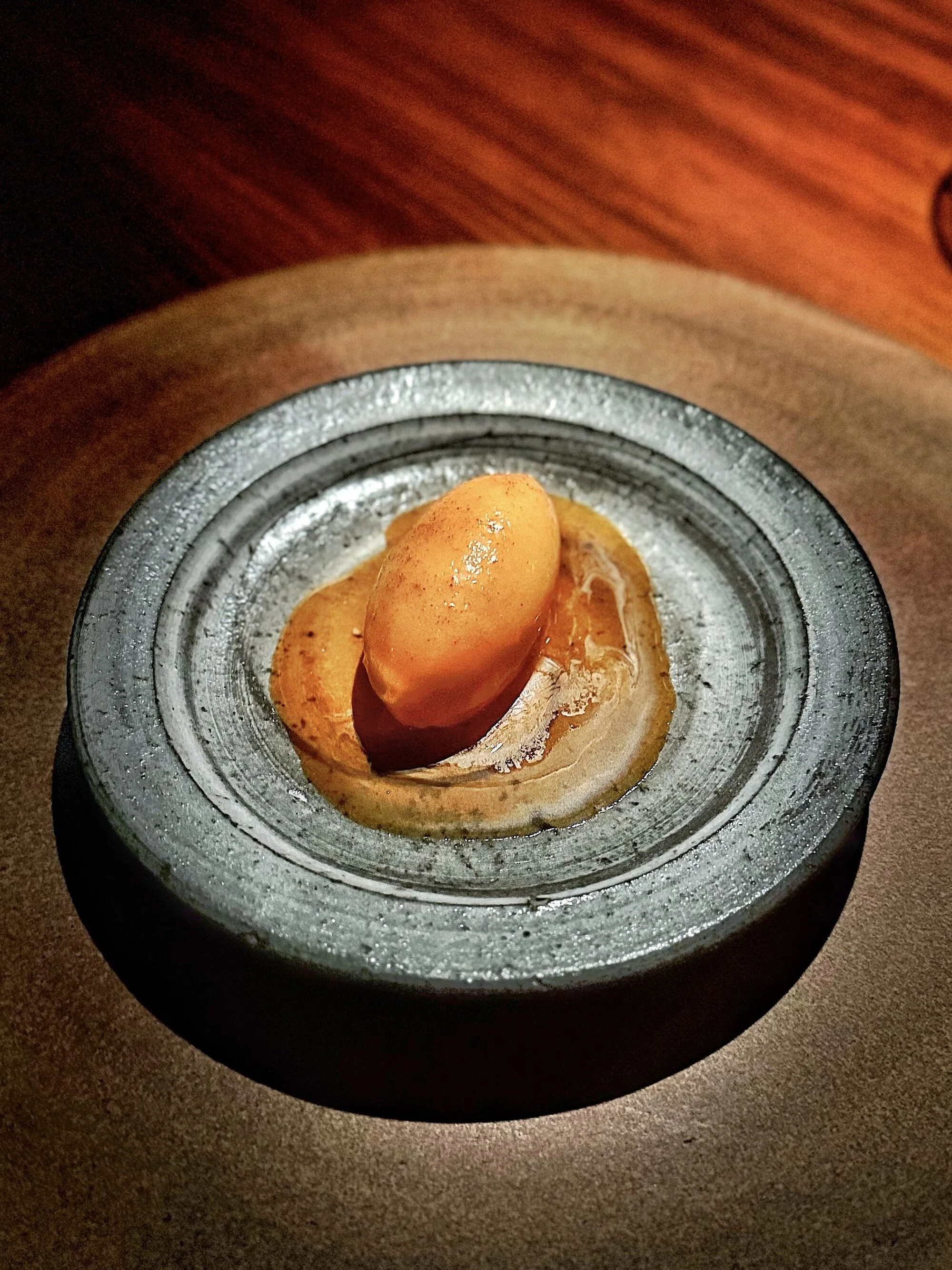
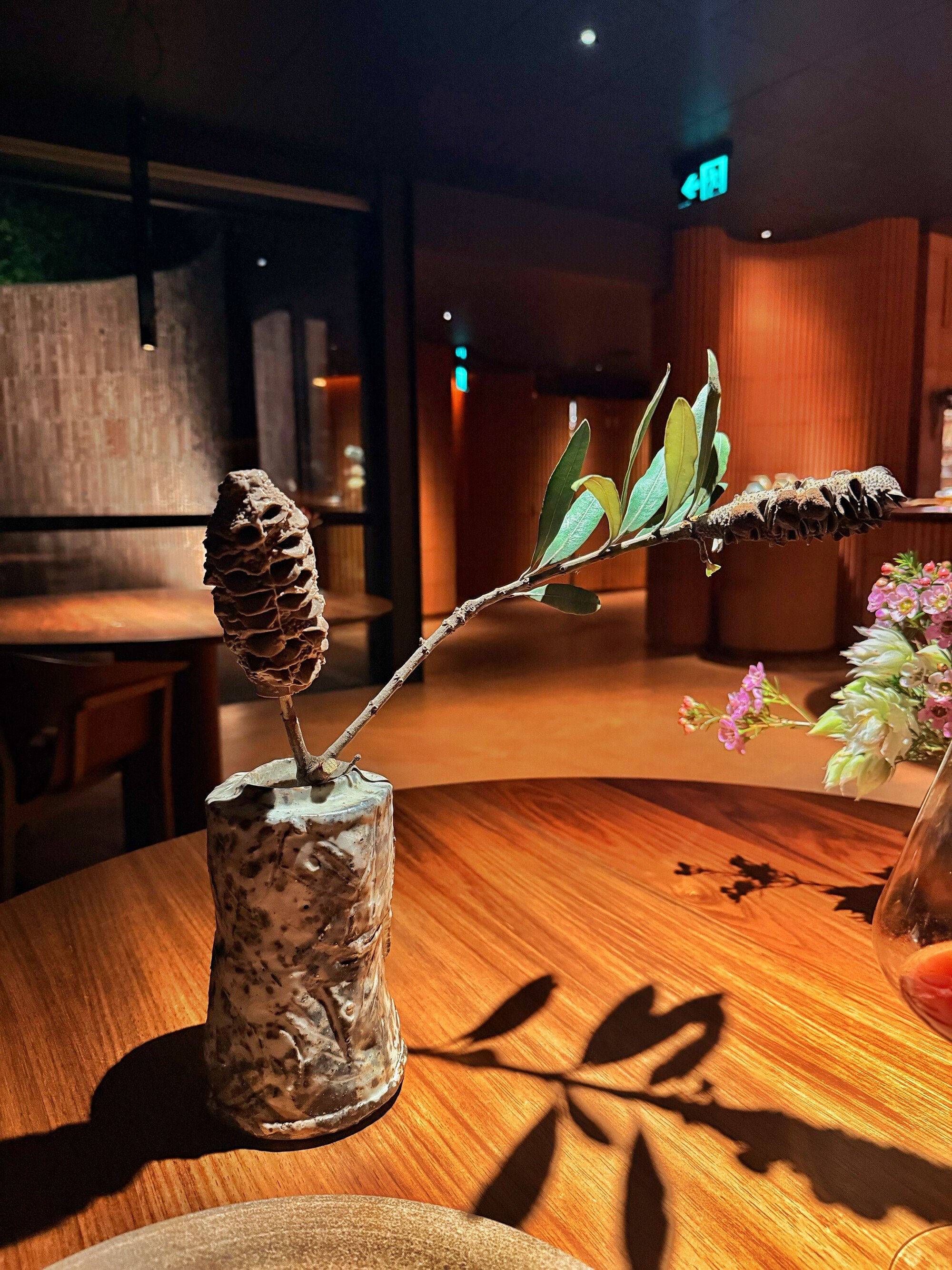
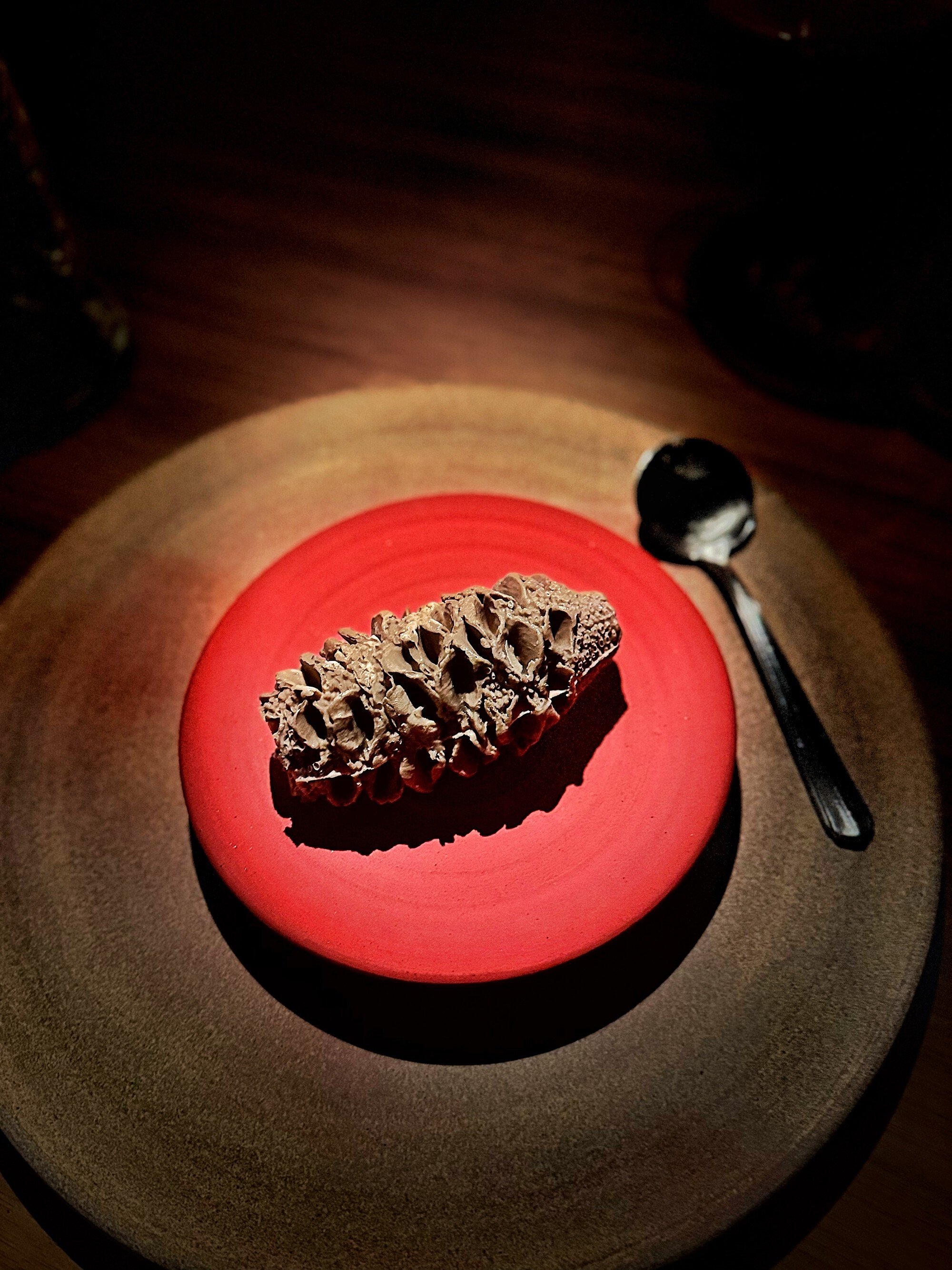
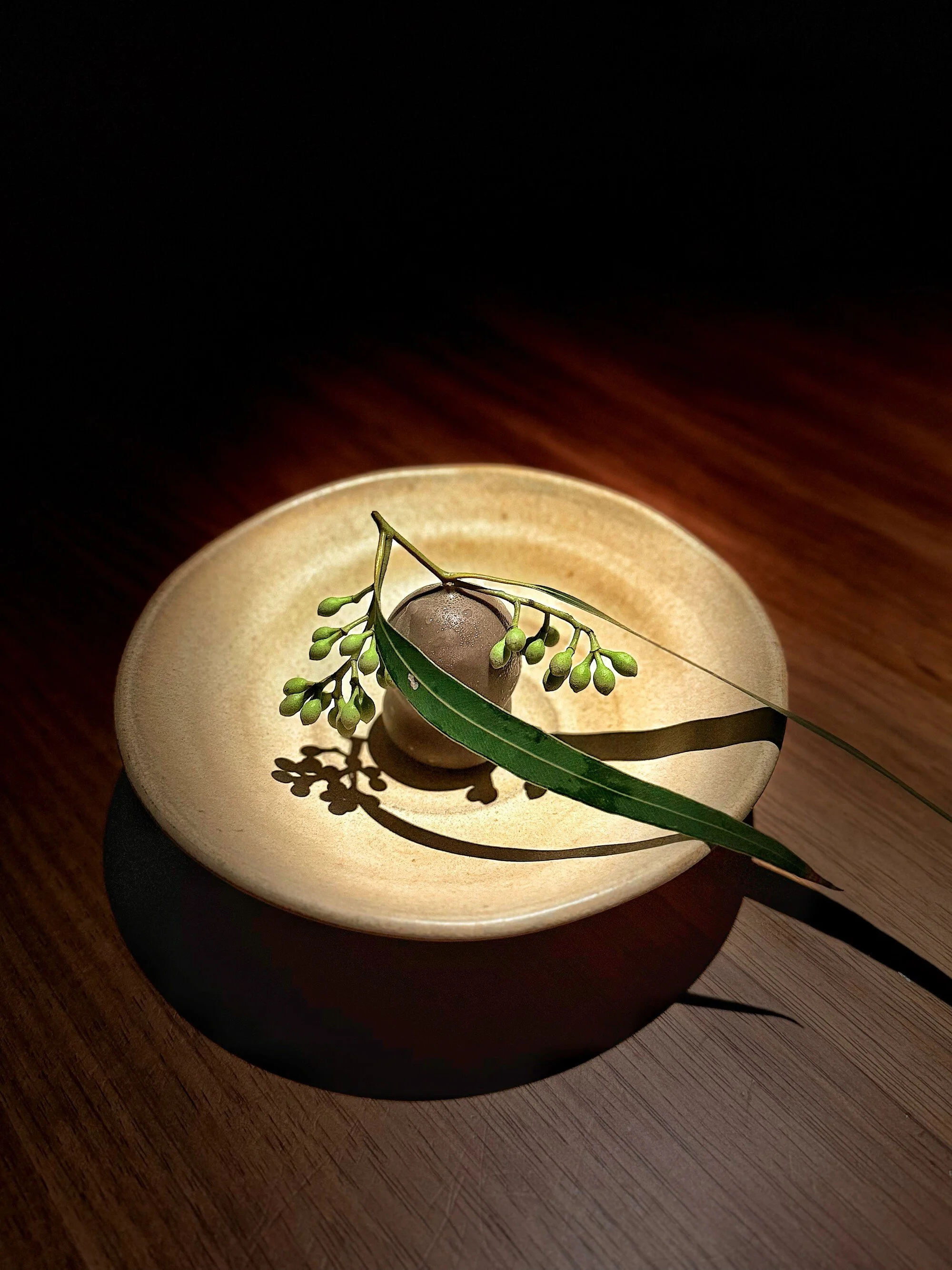
Dessert began strongly with a mandarin sorbet palate cleanser featuring Cascabel chilli-infused olive oil; the sharp citrus-and-spice combination was divine. It was followed by the Insta-famous ‘Banksia Pop’, which looks impressively true to the real thing. I can’t imagine the intricate, laborious process behind that level of realism, but beyond the magnificent presentation, the roasted macadamia and wattleseed ice cream was rather mono-textural – a finale that delivered on spectacle more than substance. The Gumnut was a clever petit four, though I would suggest a sencha tea and flower honey mousse-filled chocolate isn’t the ideal closer after a generous serve of ice cream.
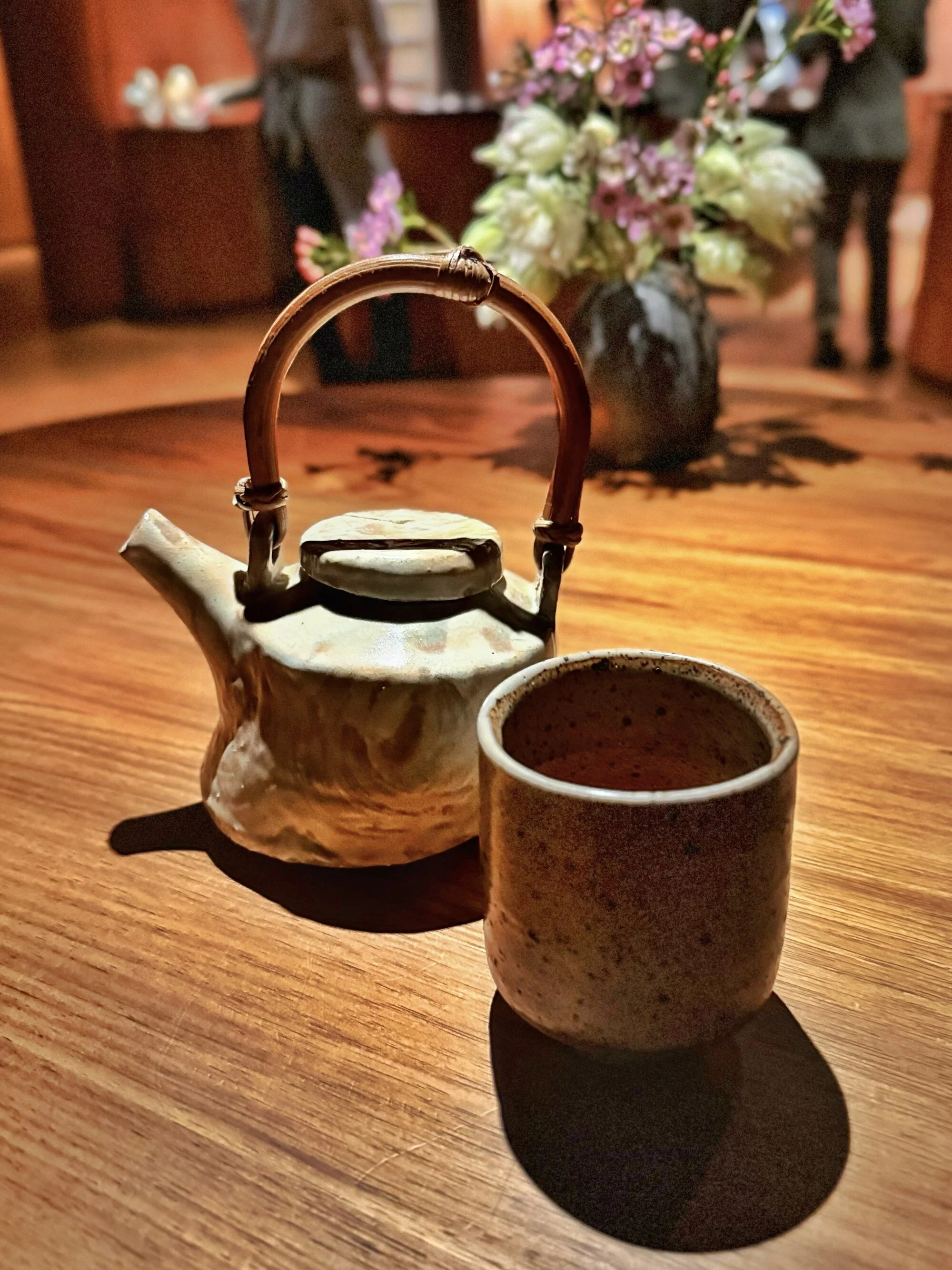
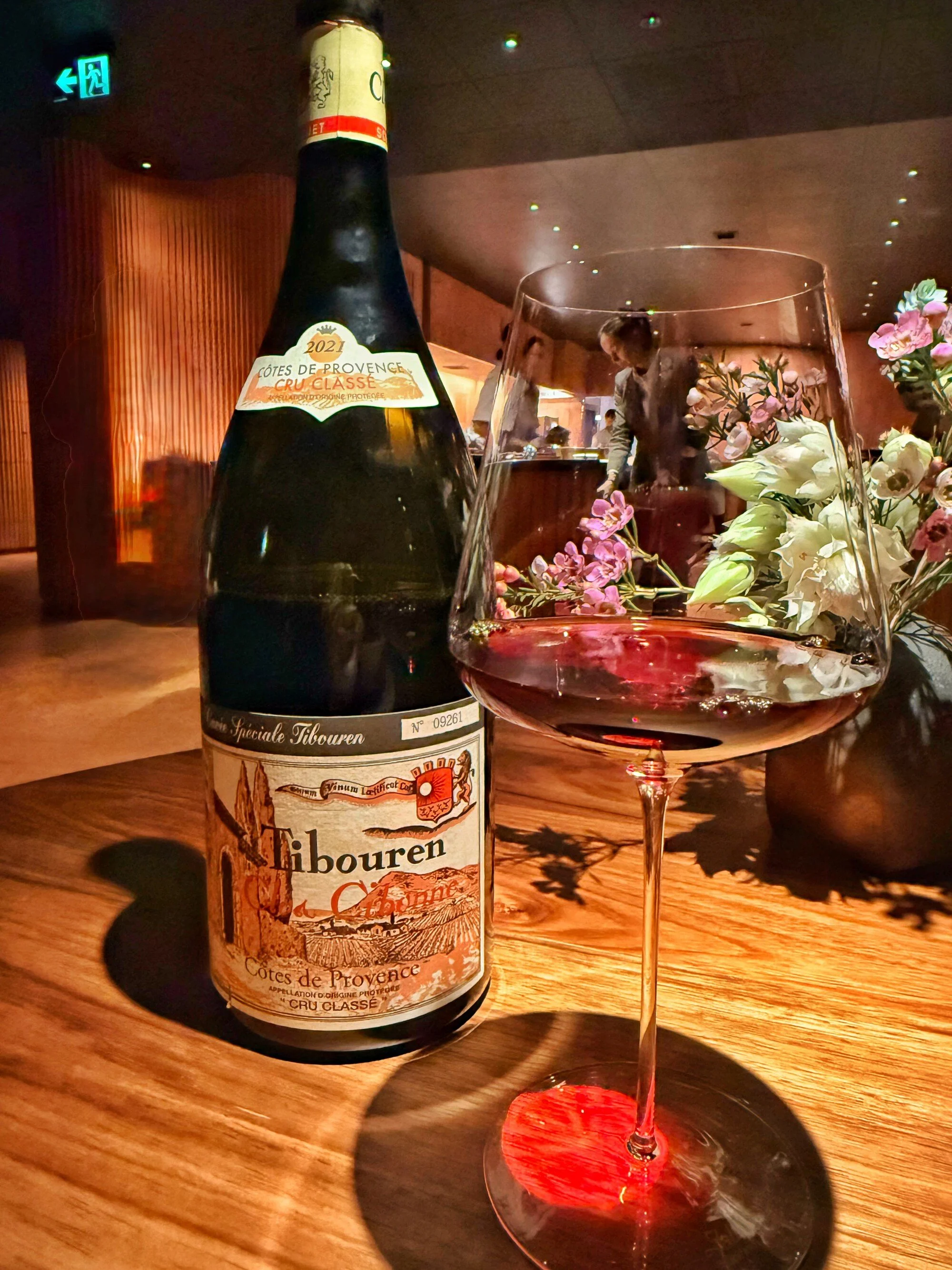
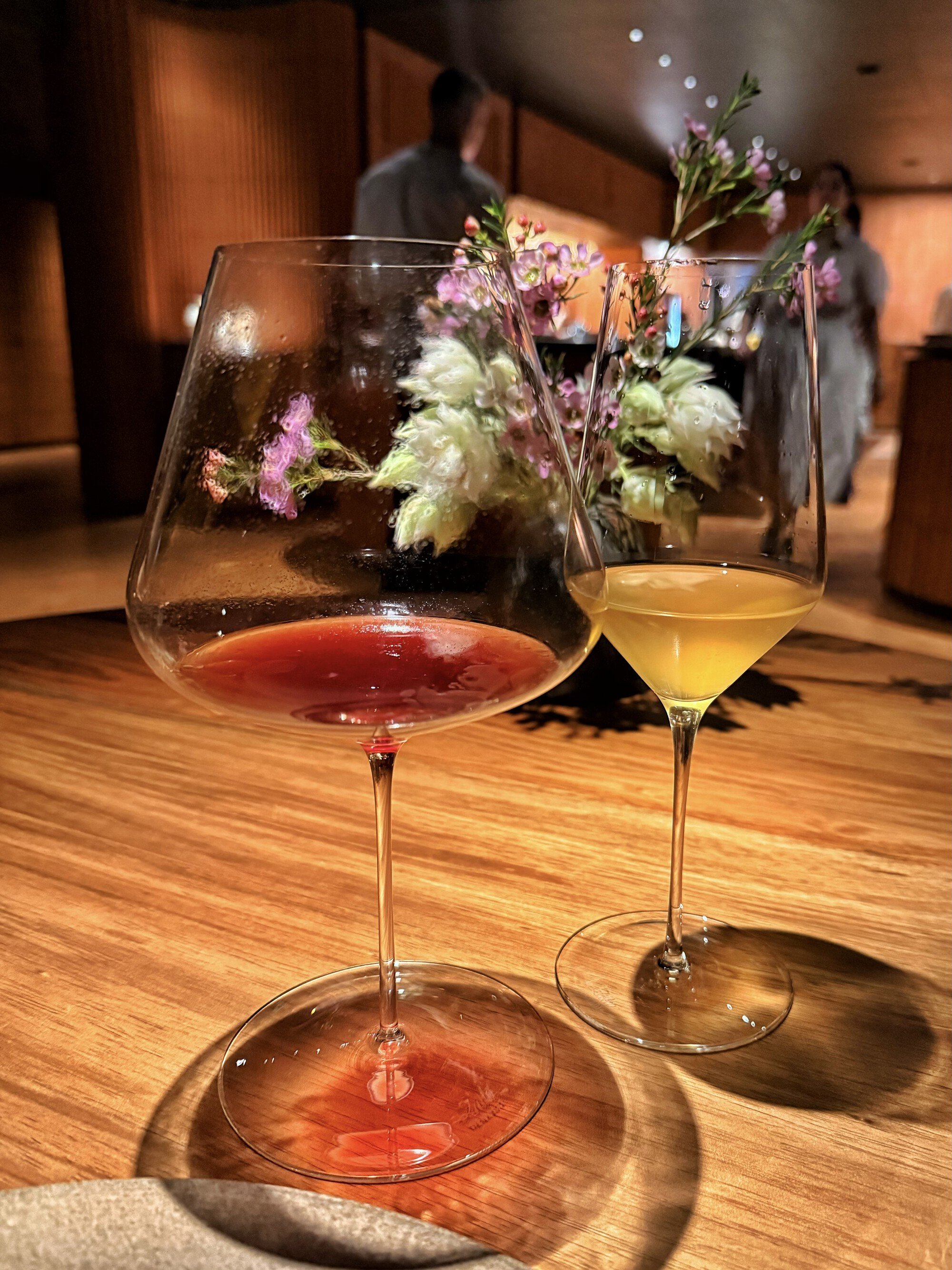
On drinks, I chose the non-alcoholic pairing (with a couple of cheeky wine additions) to compare against recent experiences of the same at Michelin-starred restaurants in Singapore. I’ve come to better understand the complexity of a sober pairing – it’s the ultimate test of restraint and flavour, with none of the crutches alcohol can offer. Yiaga’s version was a mixed bag: hits, like the hojicha tea with koji oil and quince, and misses, like the pink tea with strawberry gum and rosehip served hot in a wine glass.
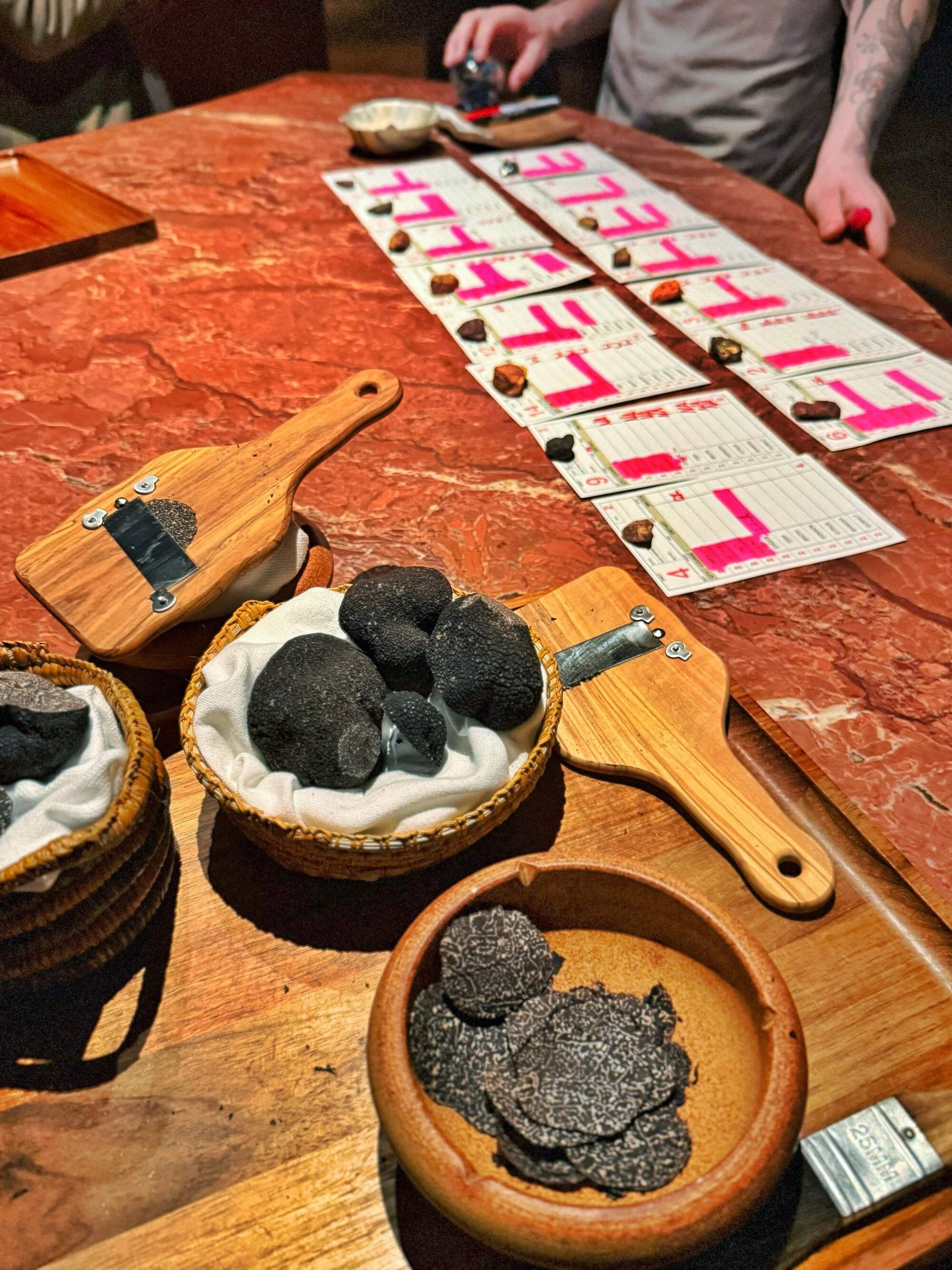
The ambience and service, however, were exceptional. Front-of-house lead Hugo Simões Santos would easily rank among the best in Australia with his intimate knowledge of the venue, professionalism and affable personality. Sharing my honest views on the coconut caviar course prompted a kind gesture of complimentary black truffle for the next dish, which I declined. I wanted to experience the Yiaga menu as it stands, without my feedback feeling transactional.
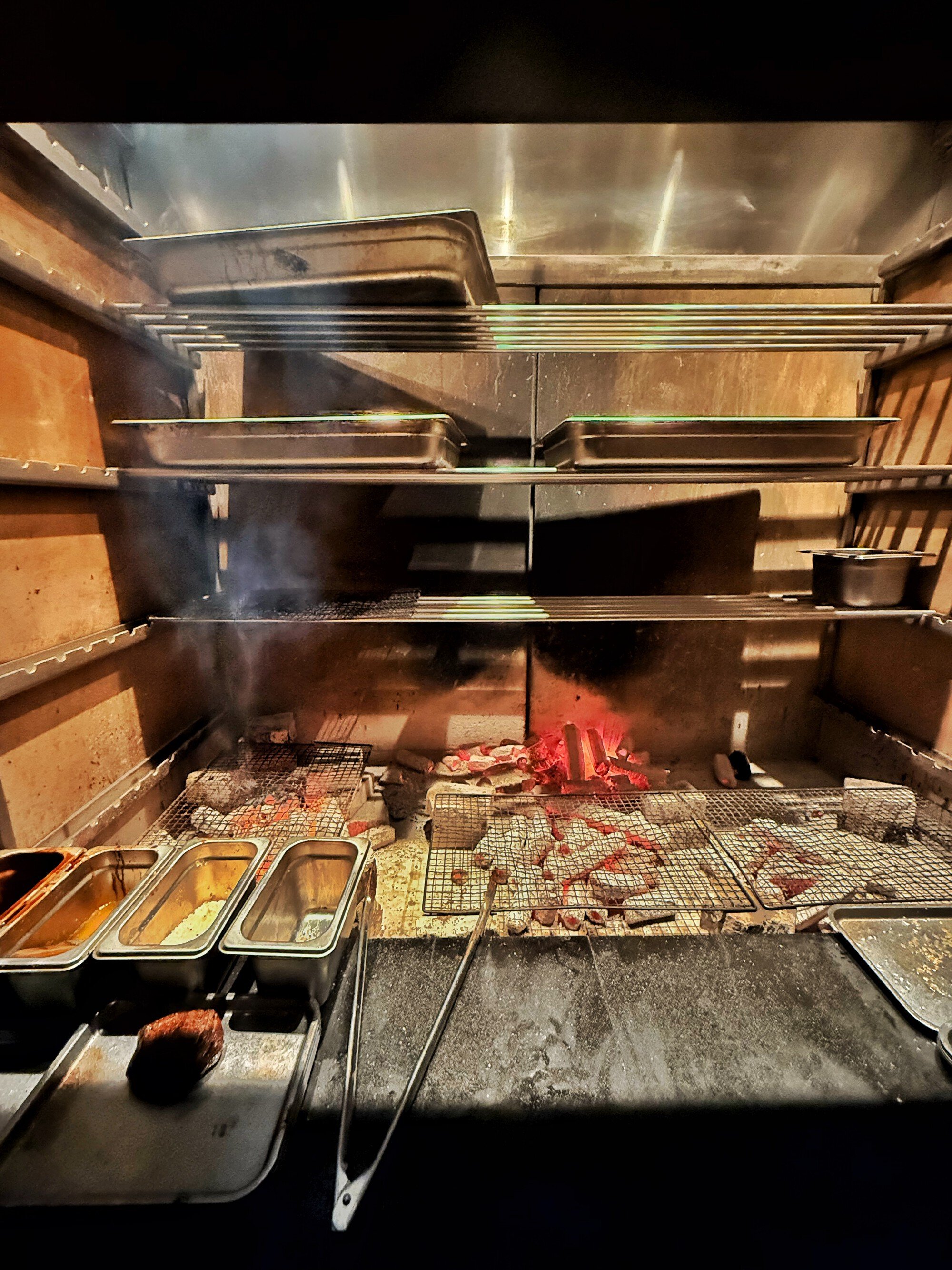
The mid-dinner kitchen tour was a thoughtful touch, and gave me a far greater appreciation for the detail and purpose behind every element of the Yiaga experience. The hearth? Purpose-built, with an integrated convection system that controls smoke emission so the grill chef never smells of fumes. Those hand-forged knives from Tasmania? Ten different native Australian timbers were used by bladesmith Tobi Bockholt for the handles, each with its own spot in a dedicated knife drawer. All fourteen chefs have their own, too – which says a lot about the respect Hugh holds for his team.
On a solo outing, I’d usually raise concerns at the table, but the team’s kindness made me feel too guilty to dampen their spirits in the moment. So I put my thoughts in writing afterwards, and received a sincere reply from Hugh himself. Admittedly, I expected a flicker of ego from a trailblazer of his standing, but there wasn't any – just honesty, met with humility.
I’d already planned to return to Yiaga to see how the menu evolves, and to experience the architecture by daylight. The grace with which my words were met only affirms that sentiment.
Yiaga means ‘to seek and find’ in Wurundjeri and on this visit, I found almost everything I came looking for: the craft, the hospitality, the conviction. The food wasn’t there yet, but I’m optimistic it’ll be a matter of time.
Visit their website: YIAGA Restaurant