
SUUM
119 charlotte street, brisbane city qld
the digest
Order
The traditional Korean drinks pairing to complement the tasting menu experience.
Pay
$190 per person for the tasting menu.
The Korean drinks pairing is $110 for four glasses or $130 for six.
A 10% weekend surcharge applies - note the familiar ‘still or sparkling?’ opening question arrives as a 500mL Antipodes bottle for $10.
Consider
Leave the car at home if you plan to explore the Korean drinks selection. Wines are available by the bottle only, and the beer list is limited.
BYO is welcome, with corkage set at $100 per 750ml bottle (maximum two bottles).
Wear
A city chic ensemble.
Reserve
Tuesday to Thursday – single seating with flexible start times.
Friday and Saturday – two seatings at 5.30pm and 8.00pm.
Note there are no group-friendly tables.
Travel
Car – Wilson car park at 119 Charlotte Street, with lift access directly to outside the restaurant.
Bus – Uptown Bus Station, 400m
Train – Central Station, 700m

full REVIEW
Despite the global rise of Korean culture – from K-beauty to K-dramas to the ubiquity of KBBQ – Brisbane's engagement with the full breadth of Korean cuisine remains relatively underexplored. When SUUM opened its doors in September 2025, I approached it with a mix of curiosity and cautious optimism.
After all, Brisbane has seen this concept before. Butterfly in Woolloongabba once introduced our city to Korean fine dining before quietly closing in 2022; an experience so underwhelming I never ended up writing about it. Was the city ready to embrace the idea again? If, like me, you’ve spent any time watching seasons one and two of Culinary Class Wars on Netflix, you’ll understand why the answer may finally be yes.
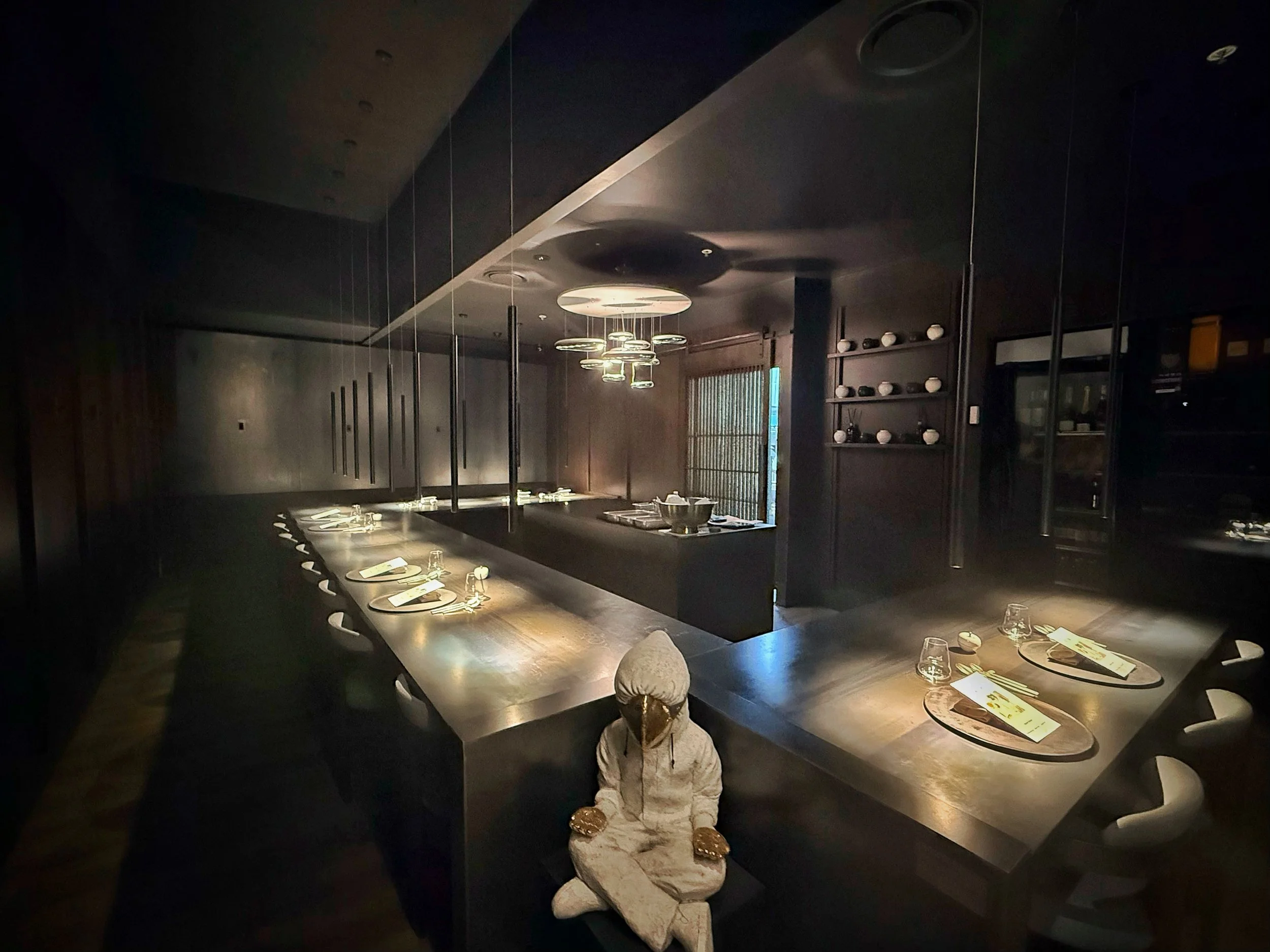
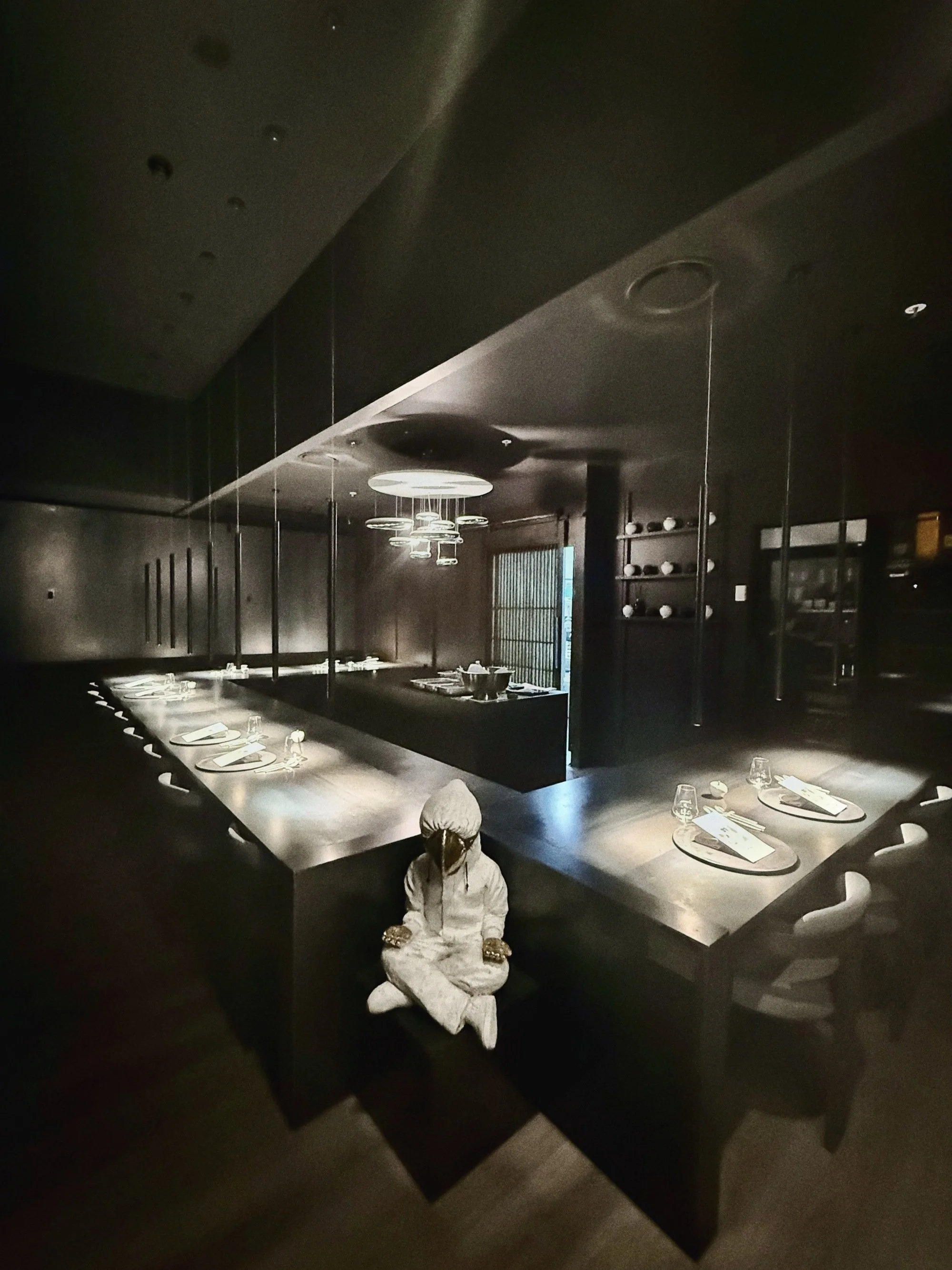
Tucked into the ground floor of a CBD commercial building, SUUM is easy to overlook. An inconspicuous door sits opposite an Asian supermarket, giving little hint of what lies beyond. Slide it open and the transition is immediate: a brightly lit foyer gives way to a dim, atmospheric dining room that feels almost theatrical. The effect is not unlike stepping into a speakeasy: an instant, transportive escape away from the bustle outside.
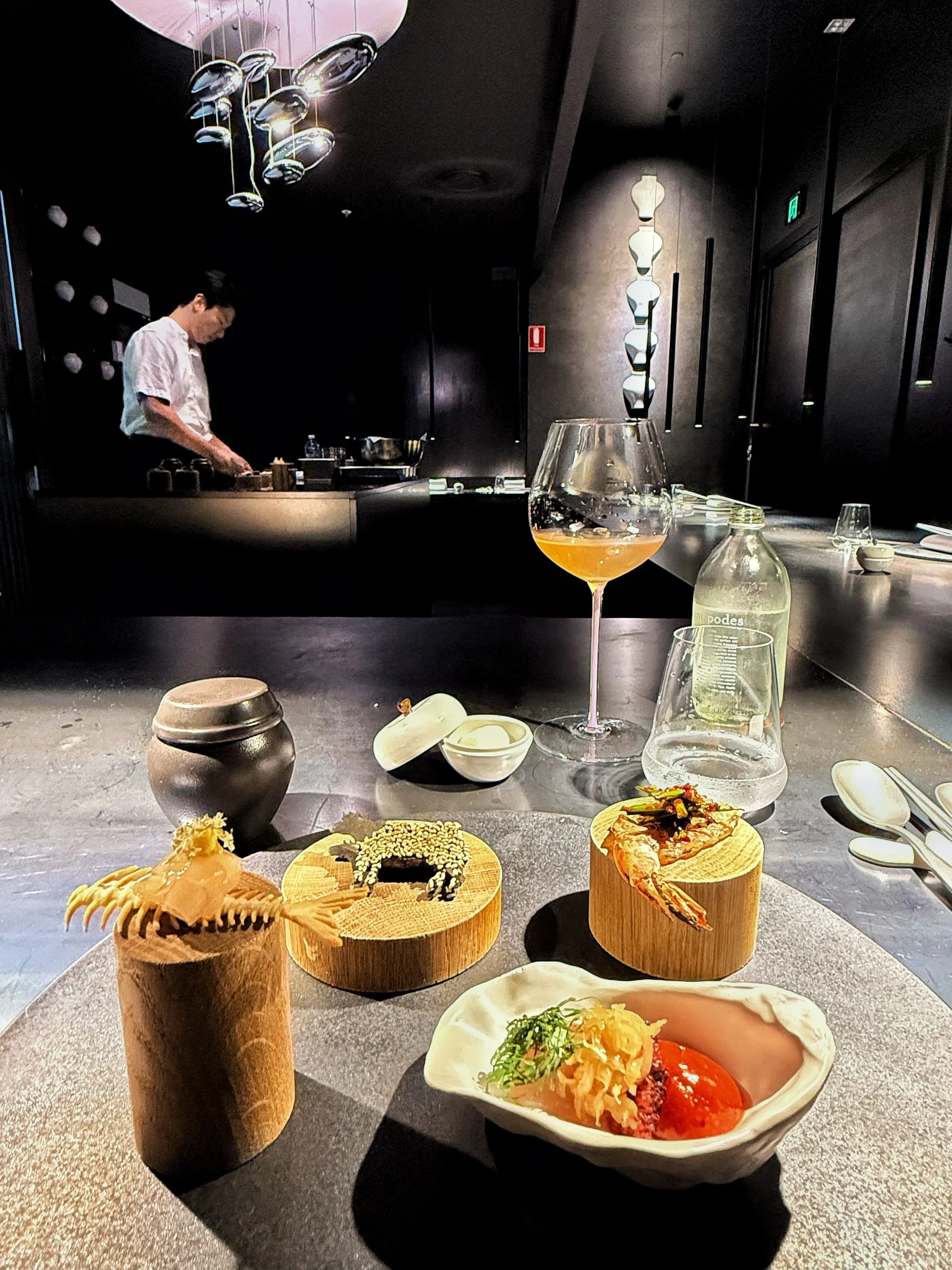
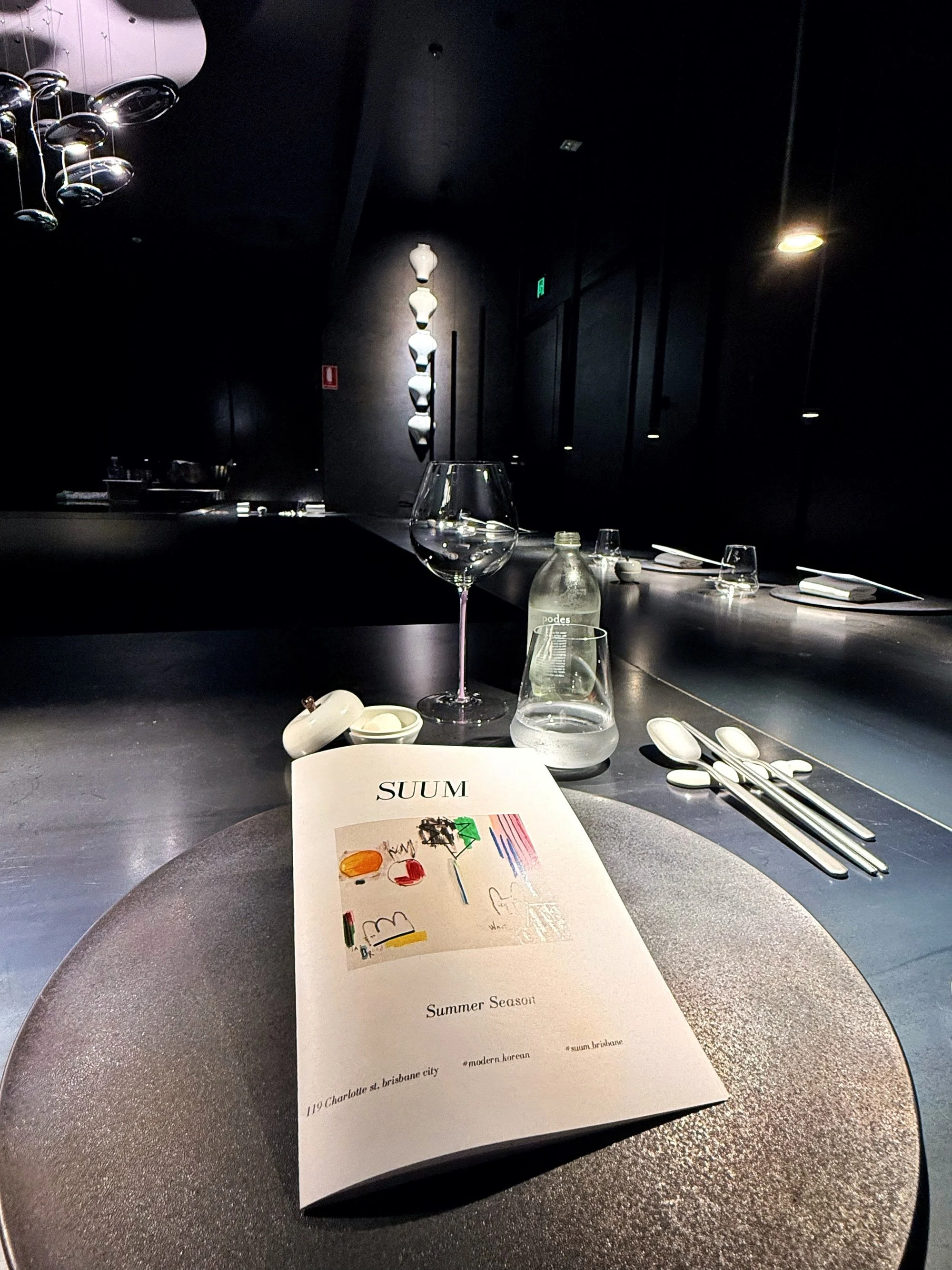
The space centres around a concrete counter designed for interactive dining, with sixteen seats facing the kitchen. Each place setting sits beneath its own spotlight, anchored by colour-stemmed Riedel glassware, matte Korean-designed flatware by Horang, and an abstract ceramic cutlery rest that adds a subtle artistic touch.
At the helm is Chef-Owner Andy Choi, whose résumé spans some of the world’s most celebrated kitchens: from three-Michelin-starred Disfrutar in Barcelona to The Fat Duck in London, as well as his own Seoul restaurant, Andy Pandy, and most recently the Tassis Group’s Longwang. SUUM marks his first Australian venture and serves as a personal expression of Korean heritage through a contemporary fine dining lens.
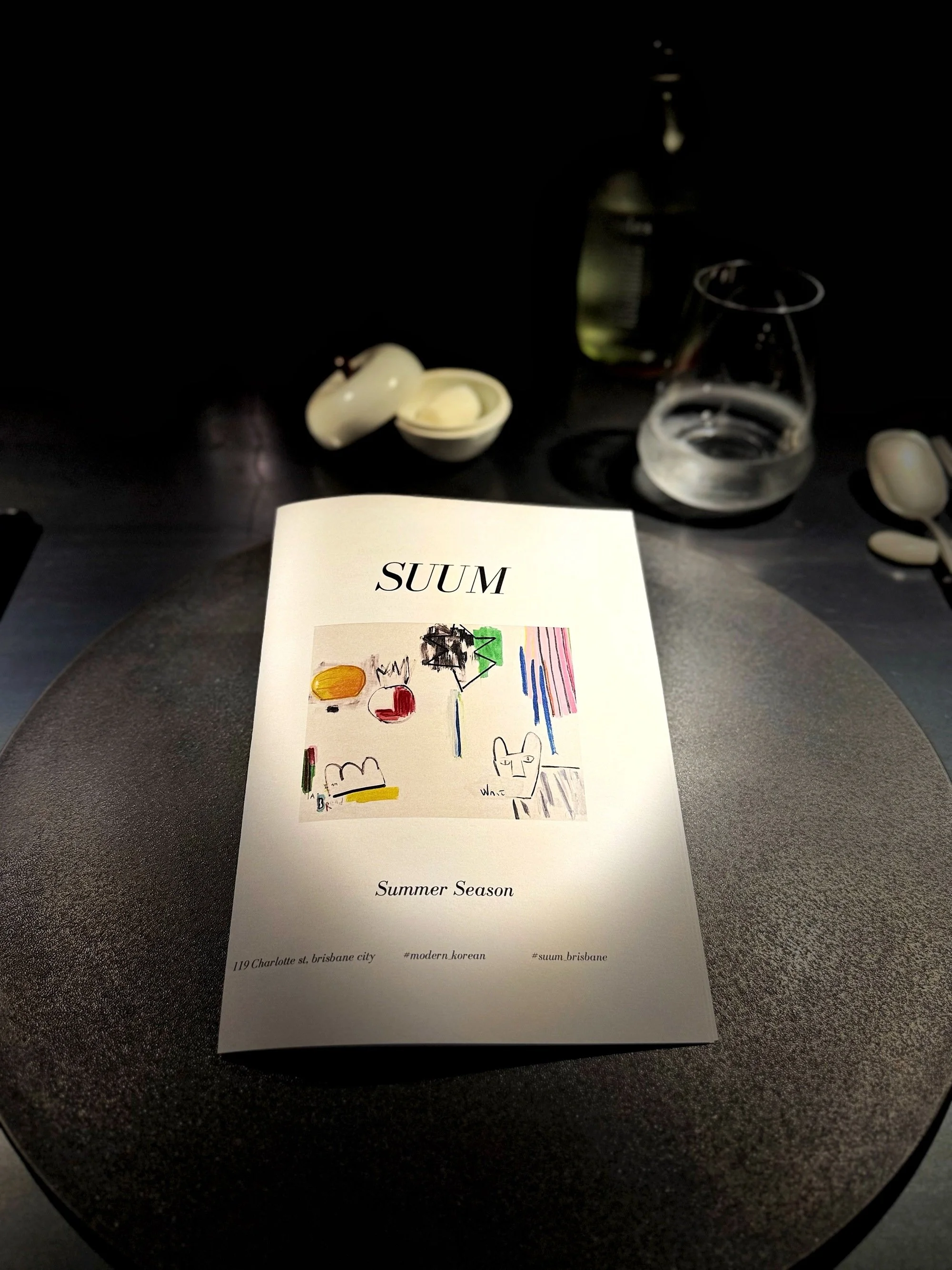
My visit coincided with the Summer Season tasting menu: eight courses priced at $190. The menu itself is thoughtfully annotated with Korean terminology and context – a small but meaningful gesture that helps guide diners unfamiliar with the cuisine.
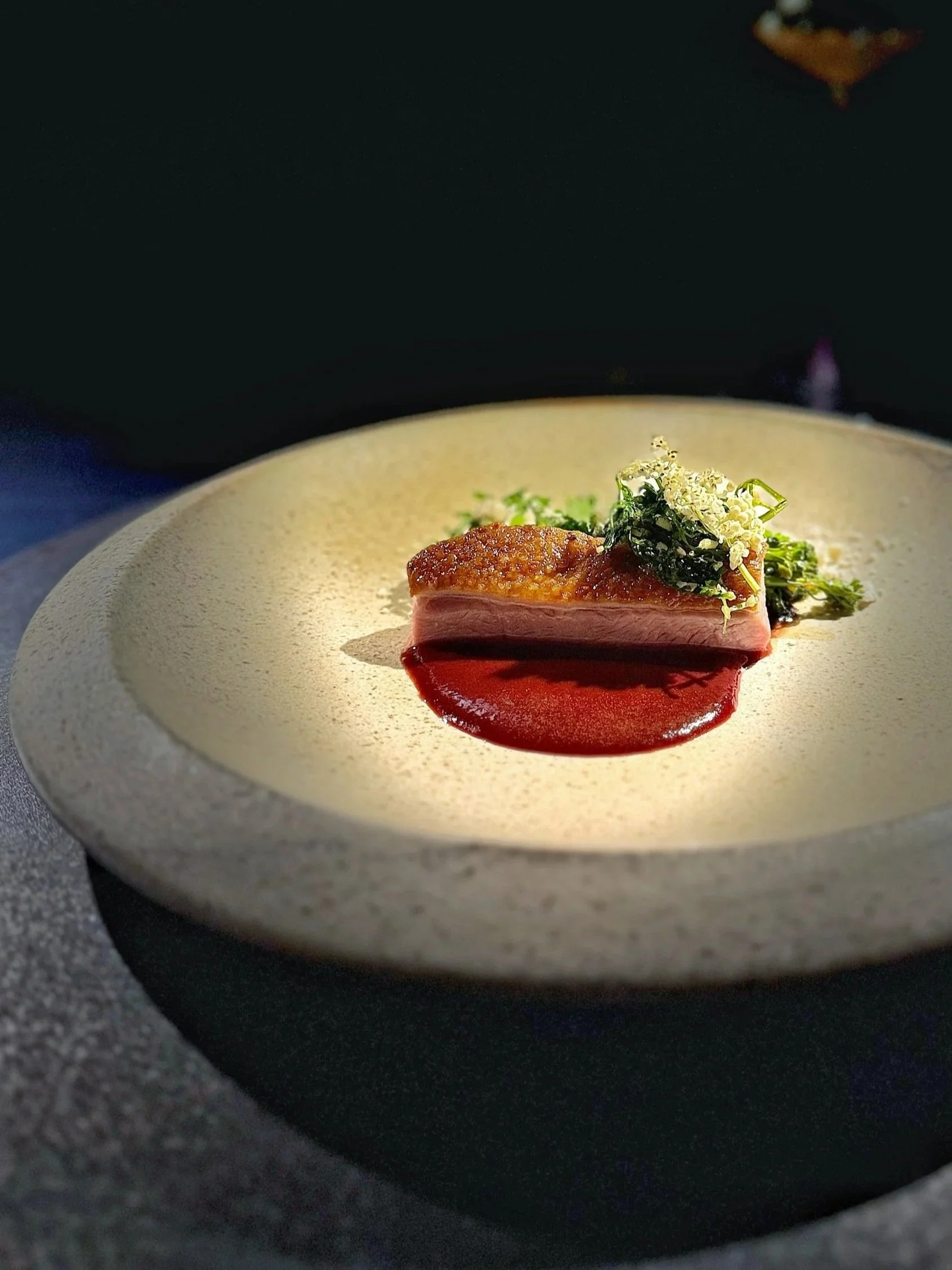
Several courses linger in memory:
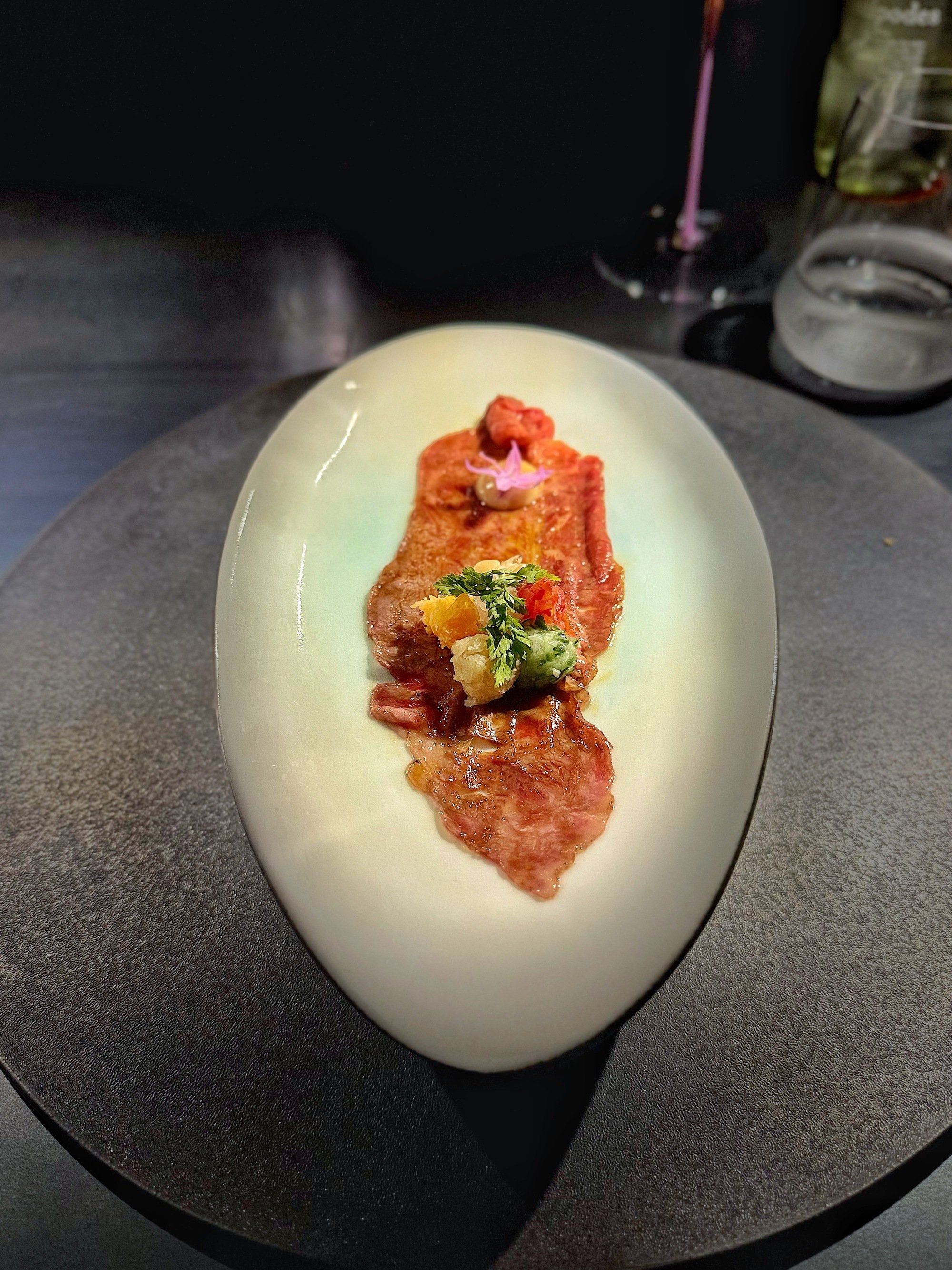
불고기 쌈 Bulgogi Ssam – thinly sliced L’Grow Wagyu 9+ sirloin, rolled ssam-style with seasonable vegetables and confit garlic purée. A clever, concise expression executed with restraint and balance.
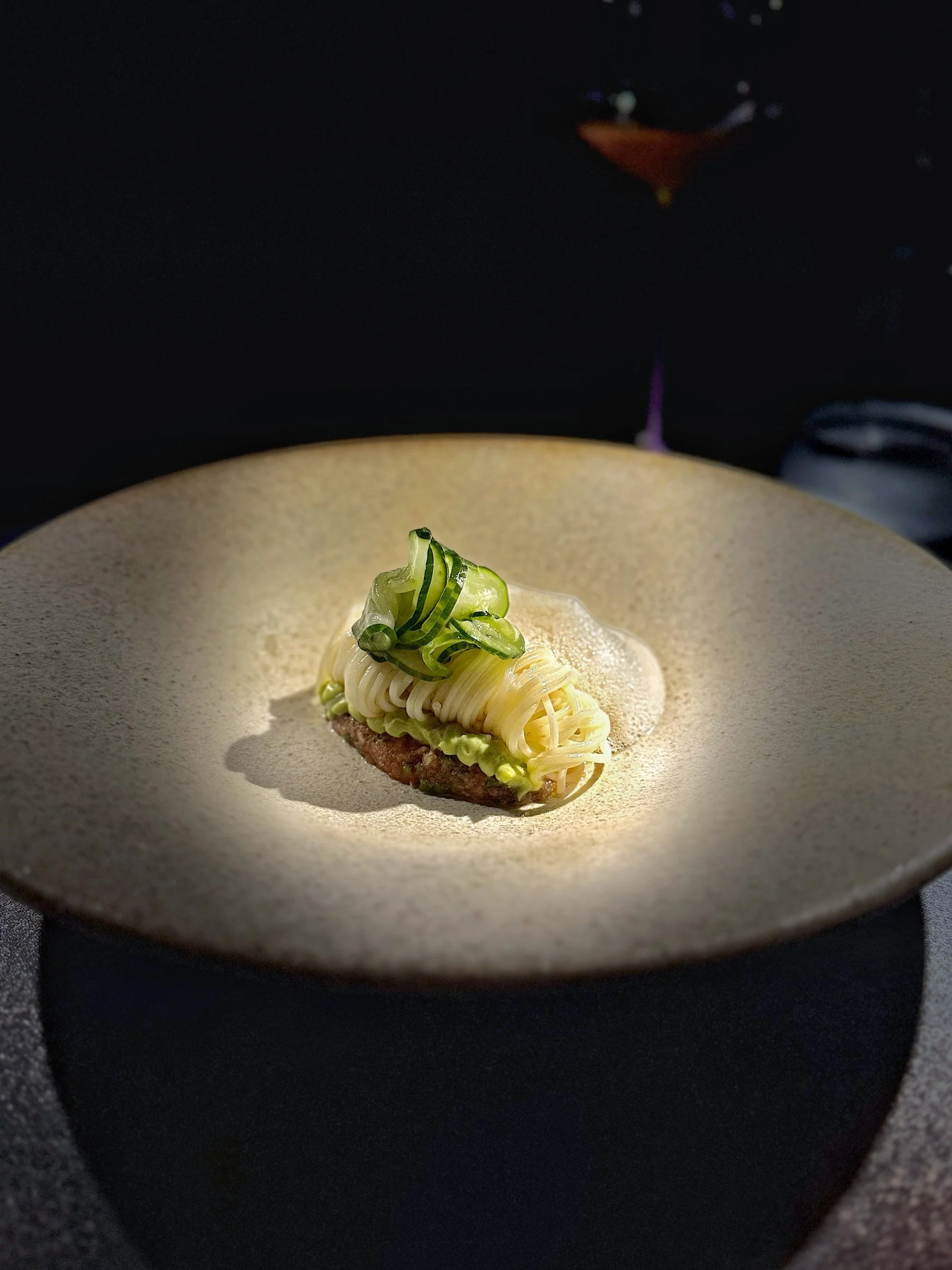
명란 Myeongan – a chilled noodle course built around Korean pollock roe. Pickled cucumber lent brightness and crunch, while a delicate green plum foam introduced gentle sweetness. Quietly complex and layered with umami.
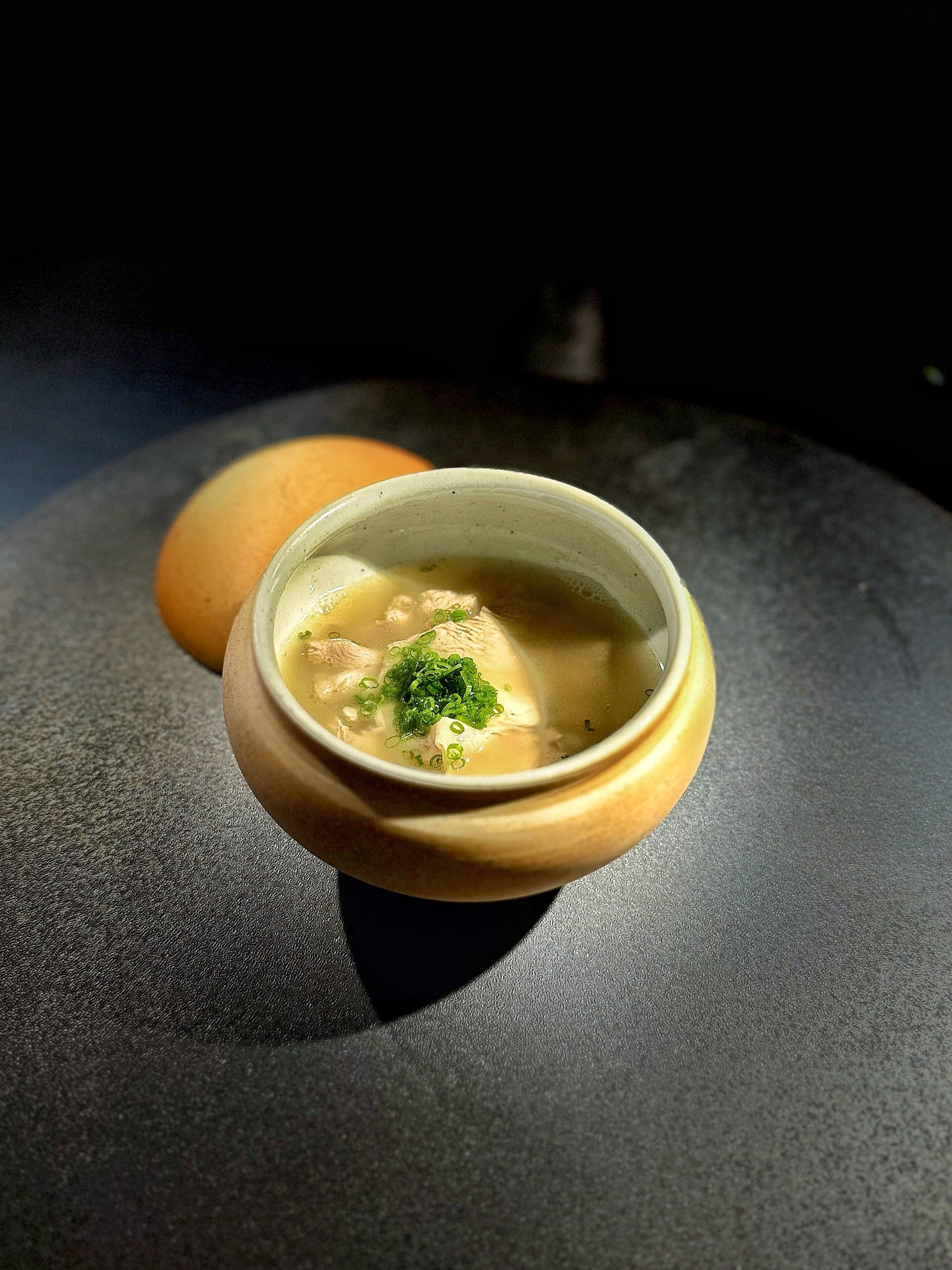
국밥 Pork Gukbap – a contemporary interpretation of Dwaeji Gukbap that showcased technical finesse through a pristine 16 hour broth which was nourishing and full of depth. In place of the traditional rice, risoni offered a firmer bite that paired beautifully with tender slices of pork.
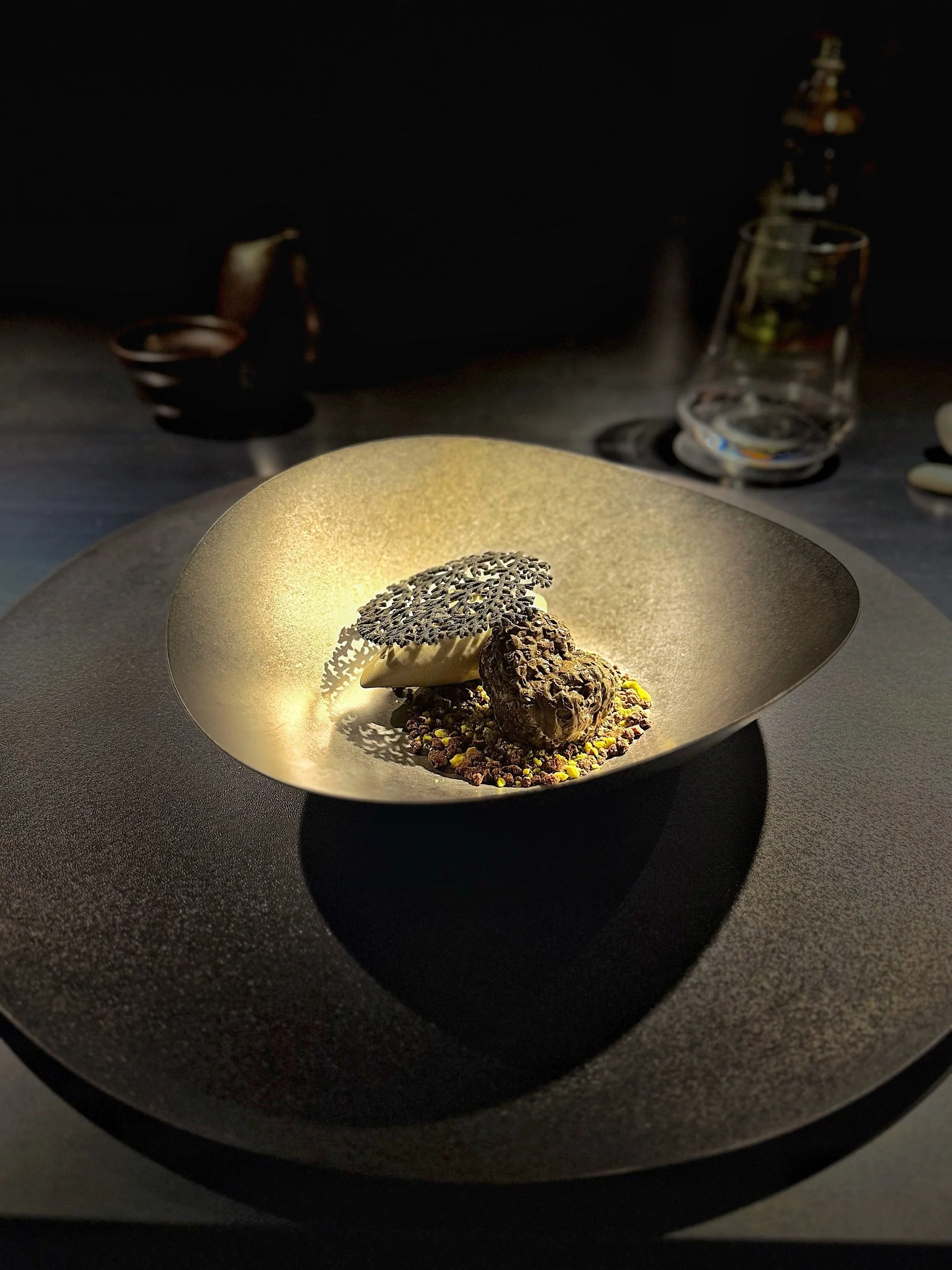
바나나 Banana – a dessert that I won’t be forgetting anytime soon. Smooth and rich with an intense flavour, the burnt banana ice cream was perhaps the single finest expression of ice cream I’ve encountered in Brisbane. The truffle crafted with dark chocolate was an edible work of art, mimicking the texture of the real thing.
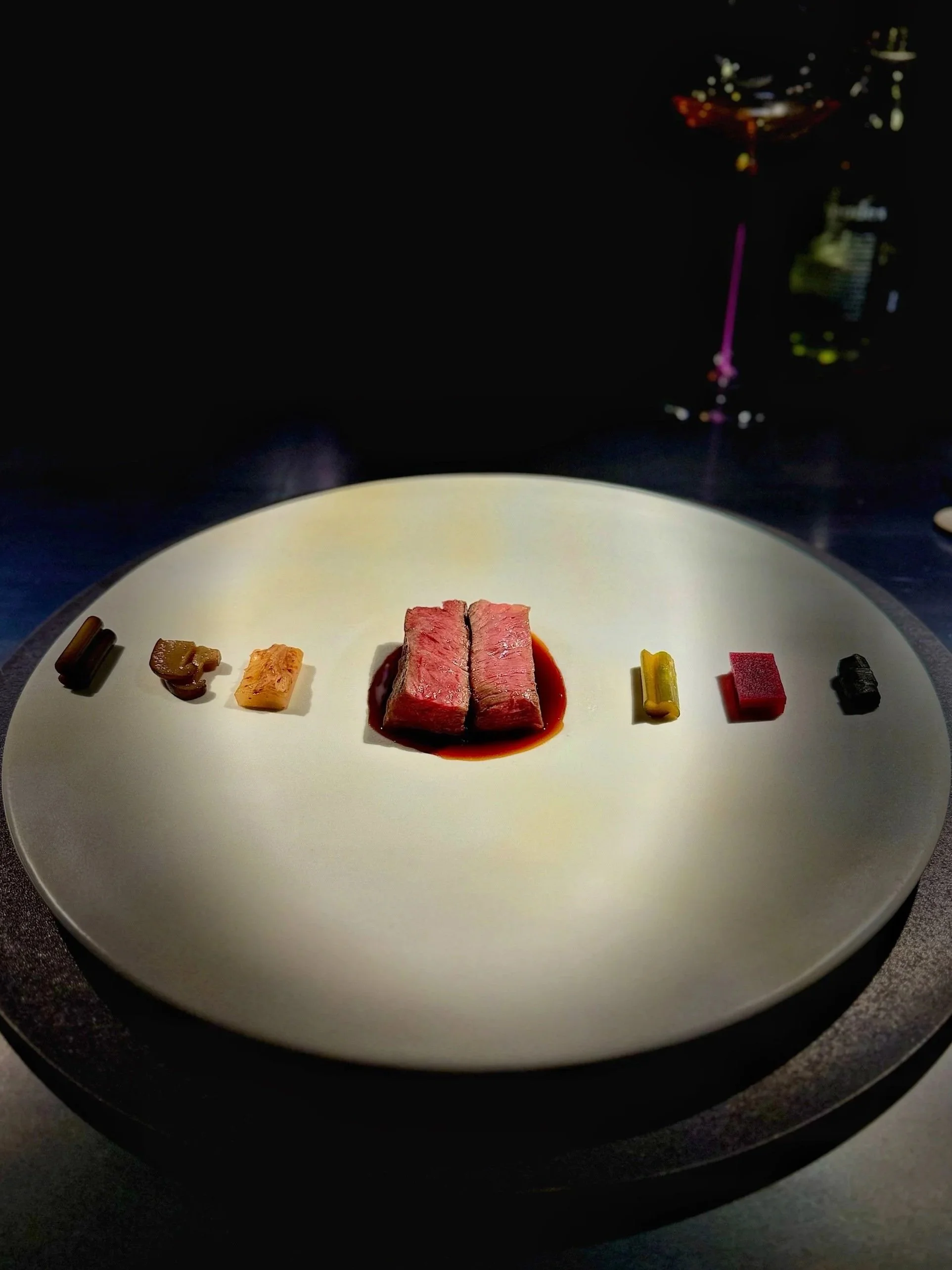
Not every course landed with the same conviction. Before visiting I had expected the Han Sang course to be the centrepiece, given its focus on fullblood L’Grow Wagyu – a considered inclusion as the cattle are raised using a feeding technique inspired by Korea’s renowned Hanwoo beef. While the concept and supporting banchan acts were immaculately executed, the beef sat on a galbi sauce that skewed too salty for my palate. Despite its marbling, the meat itself lacked the depth of flavour I had anticipated and might have benefited from a deeper caramelisation beyond a light sear.
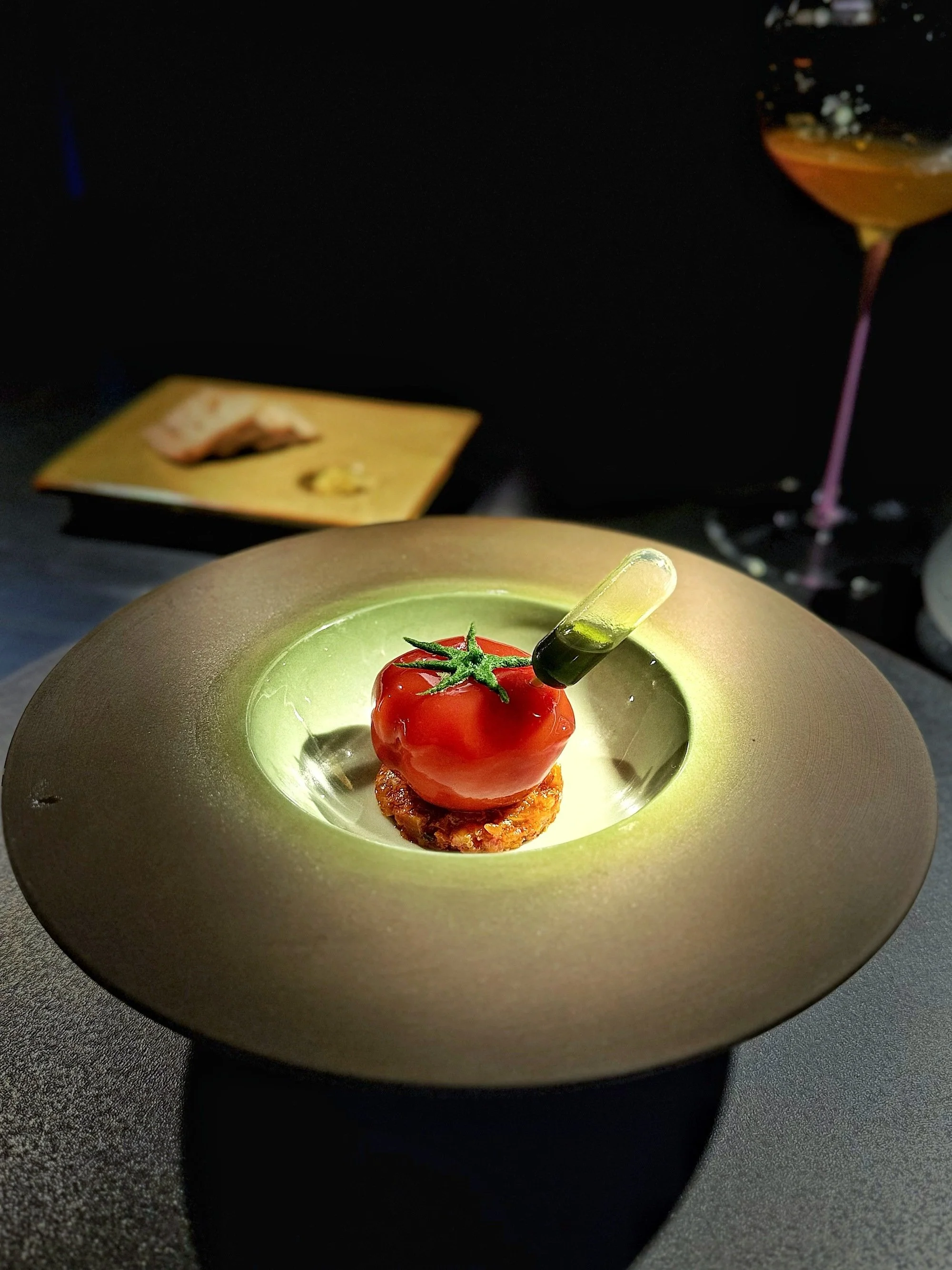
The tofu and kimchi, presented as a tomato with a pipette of tarragon oil, was undeniably photogenic, but felt out of place in an otherwise cohesive narrative of the menu. Its novelty also didn’t do justice to the accompanying sous-vide pork belly which was elevated by a glorious house made ssamjang.
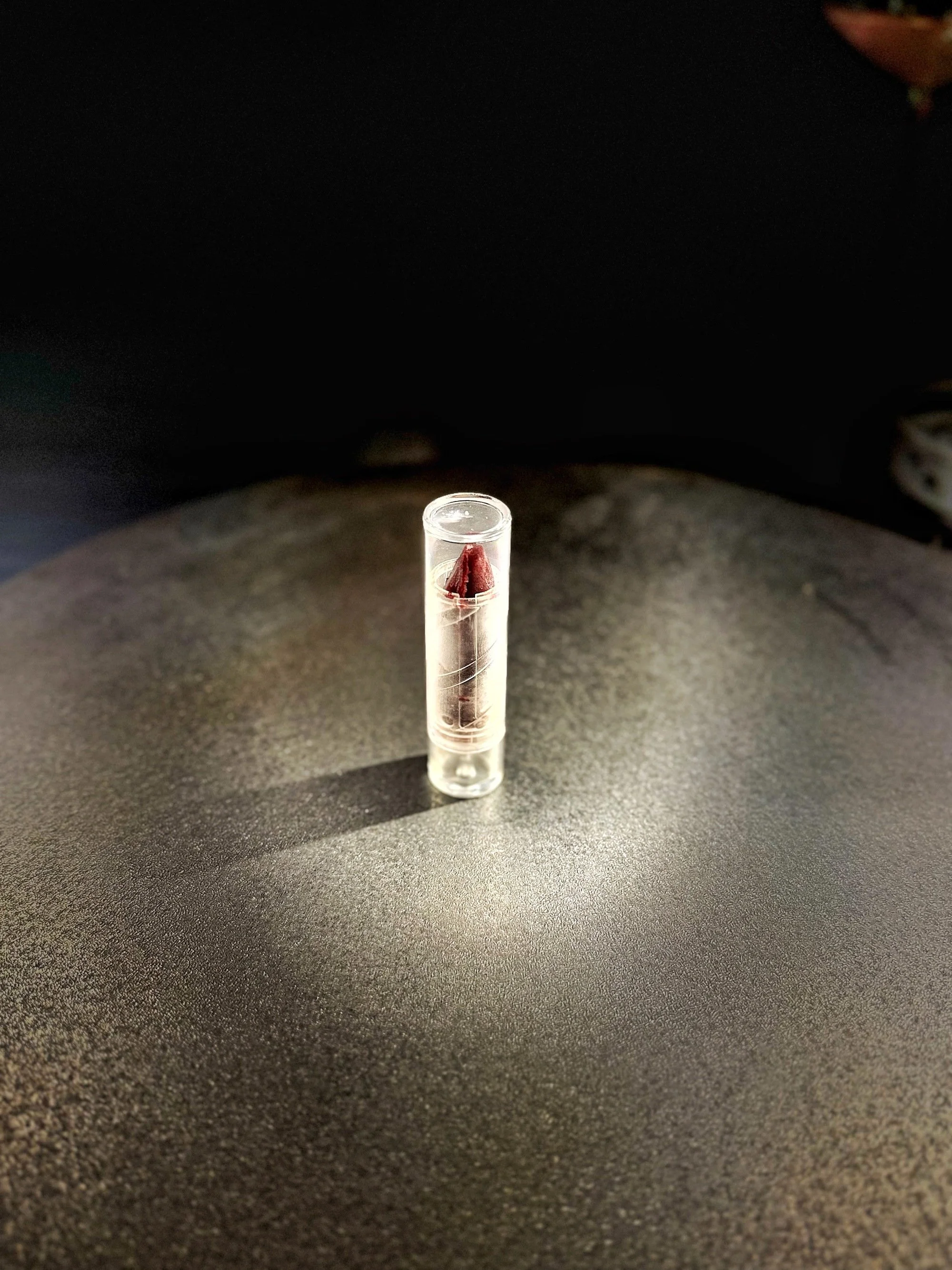
Similarly, the lipstick-shaped sorbet palate cleanser leaned toward gimmicky, sitting somewhat awkwardly beside SUUM's philosophy of ‘creating food that follows the rhythm of the seasons rather than fleeting trends’.
I first experienced both creations at a 2023 pop-up by Chef Andy and perhaps they remain as a nostalgic nod to the molecular gastronomy chapter of his career. Personally, I hope future menus will continue in the direction of the standout dishes: refined, sincere cooking that guides diners through the nuances of Korean flavour, ideally with an even stronger focus on the provenance of the ingredients.
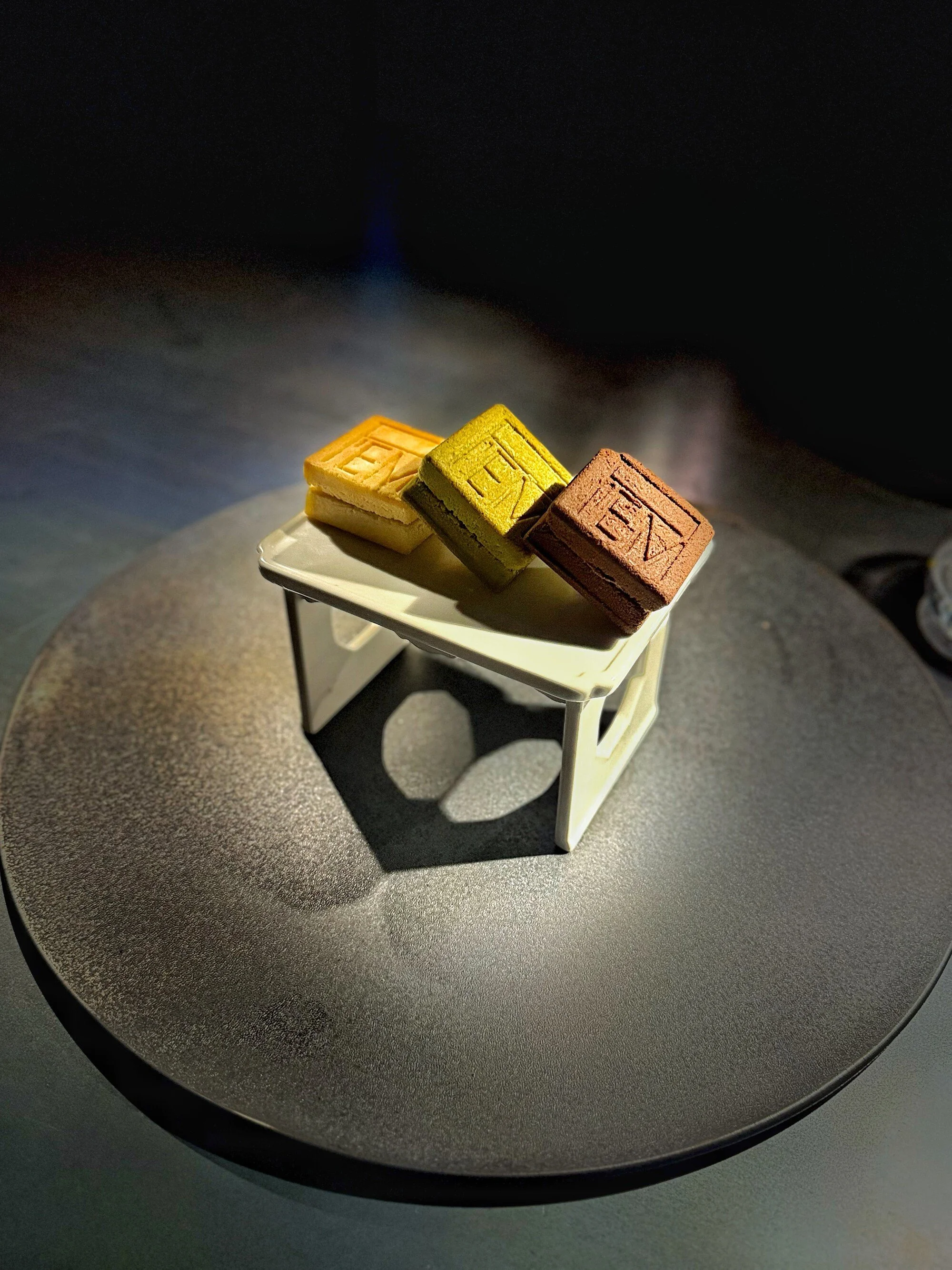
The evening concluded with petit fours in the form of a cookie collaboration with Press Em, a Korean-style bakehouse – a sweet, locally rooted coda.
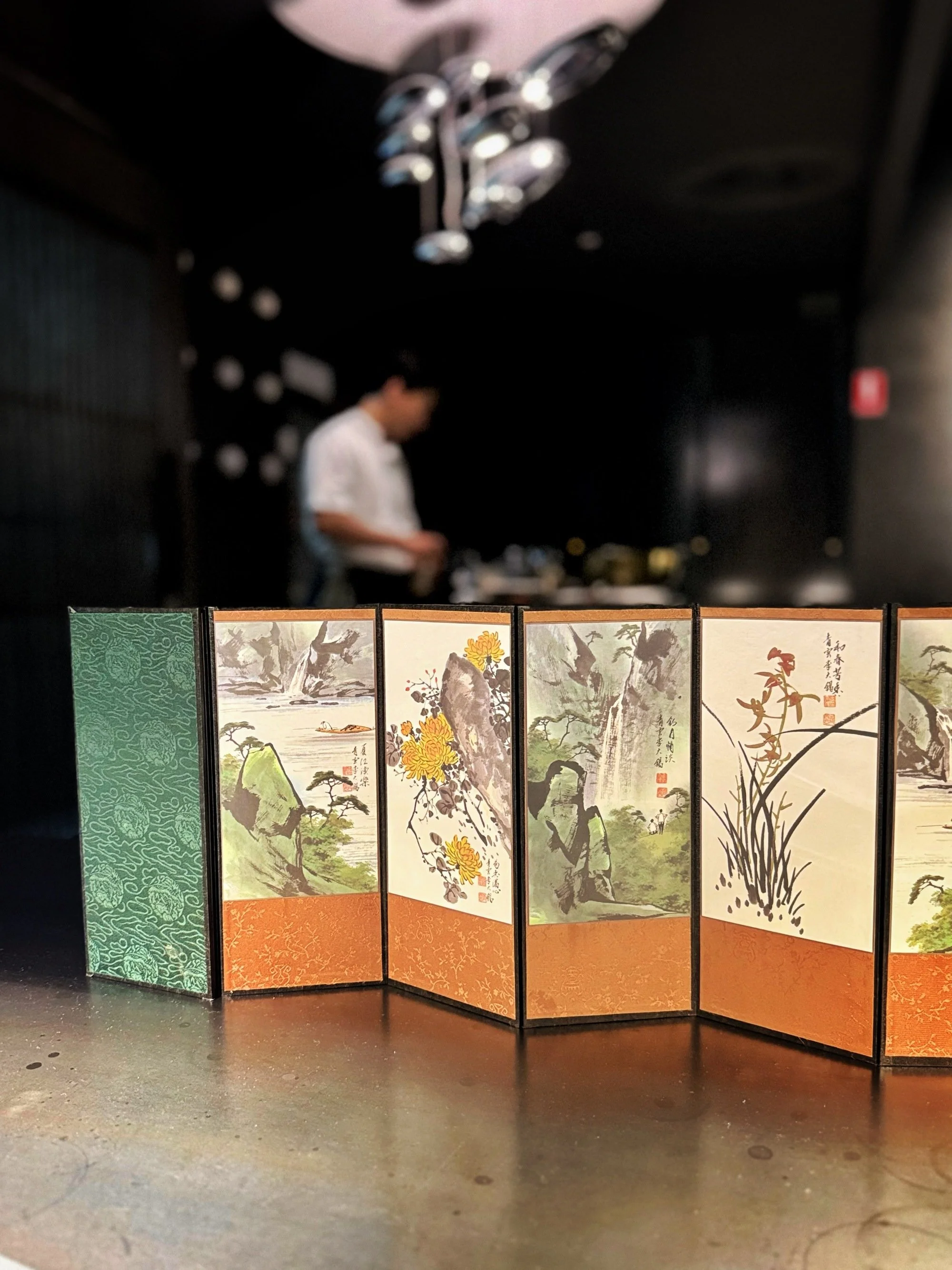
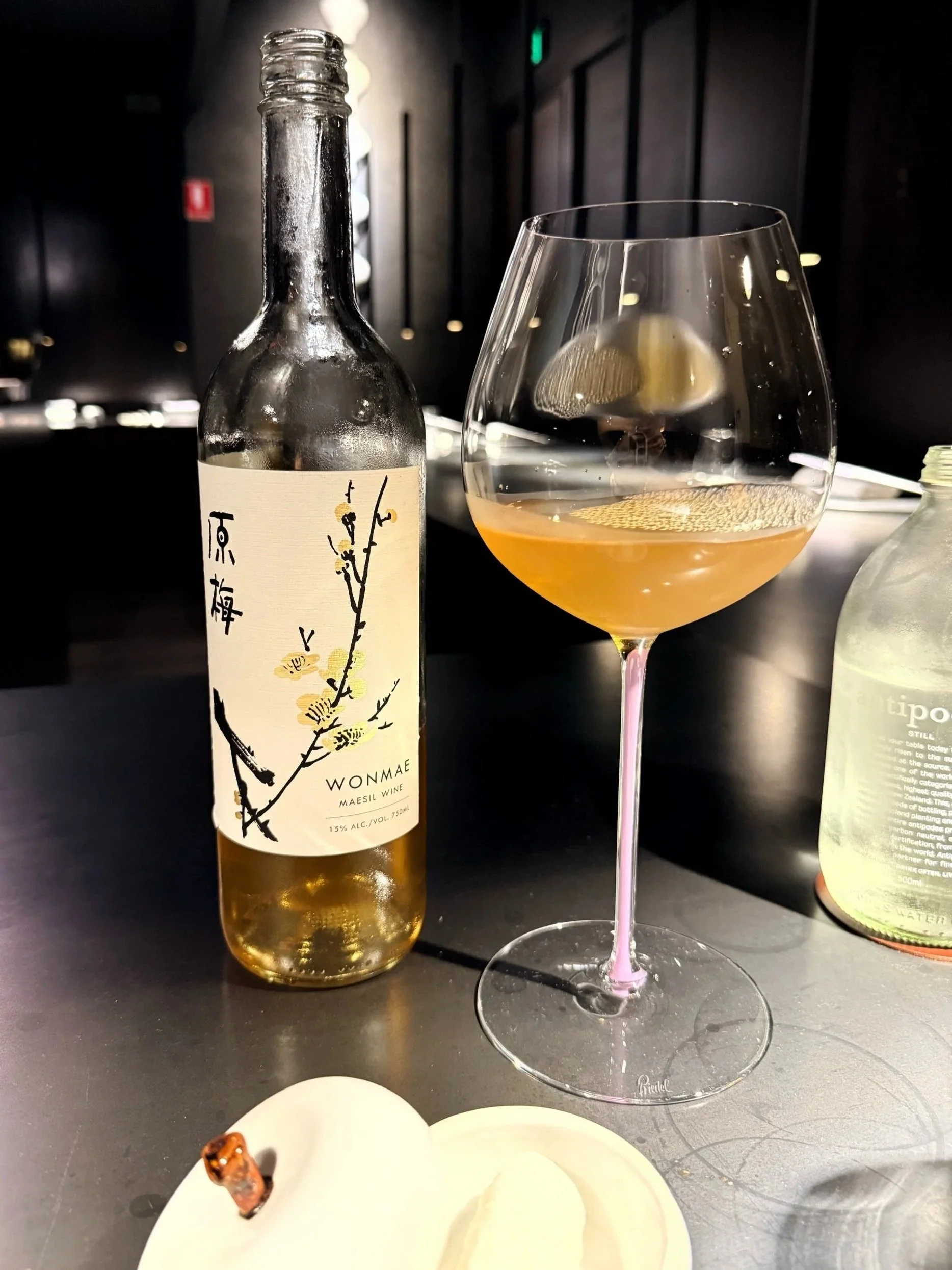
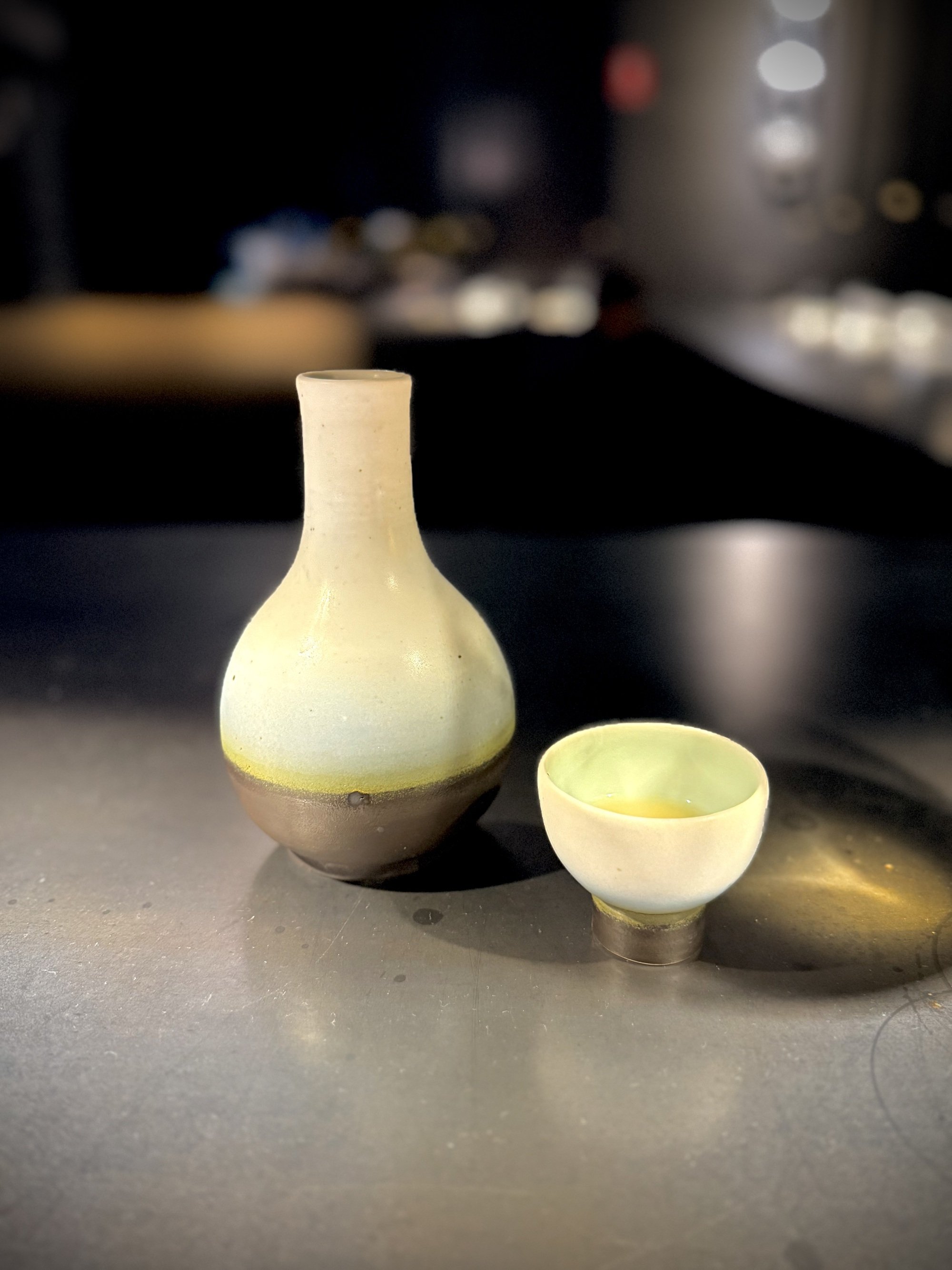
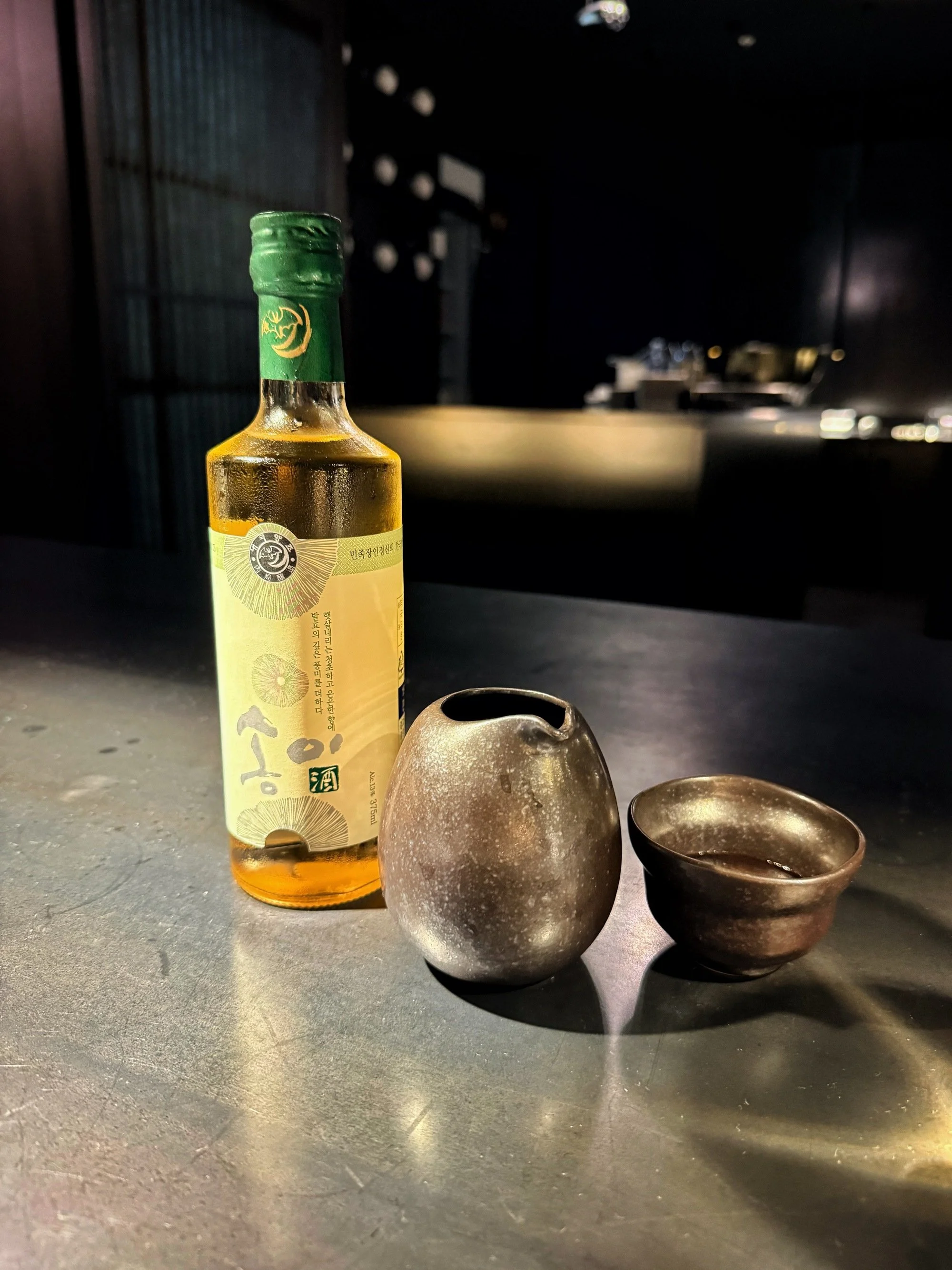
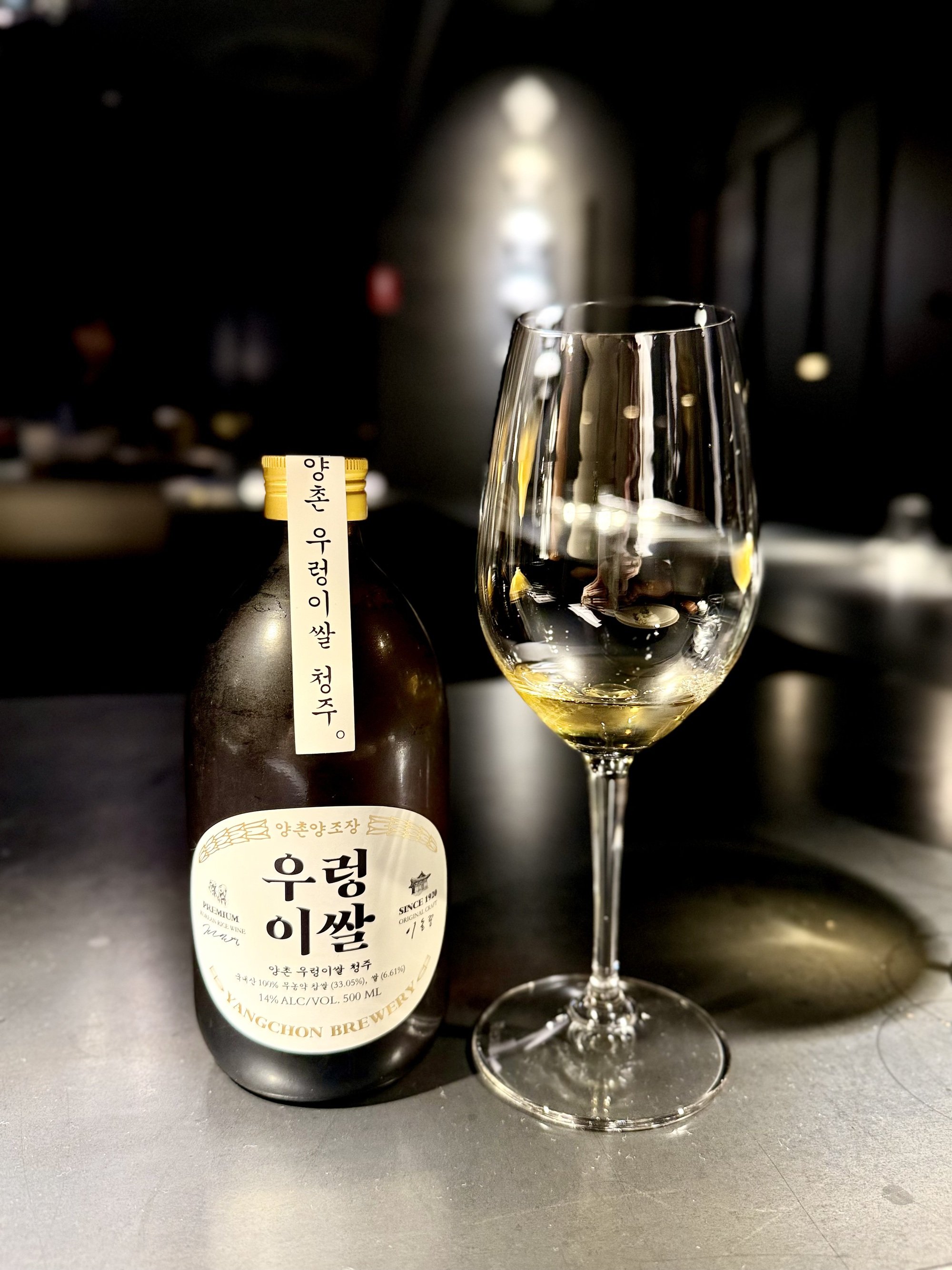
For drinks, I would strongly recommend the traditional Korean pairing for the full SUUM experience. The house-made makgeolli, in particular, is a highlight and not to be missed. At the time of my visit, wines were only available by the bottle, although a wine pairing was reportedly in development.
Service deserves special mention. Front-of-house manager Yeri was warm, knowledgeable and open to feedback. Hearing her effortlessly switch to Korean while chatting with other guests added another layer of authenticity to the experience. Great hospitality, after all, is often the difference between a meal and a memory.
Six months on, SUUM appears to be settling comfortably into its rhythm. In a space this intimate, the atmosphere inevitably ebbs and flows with the number of diners. On my Tuesday visit, the room began with three guests and gradually grew to seven, which at times gave the evening a slightly subdued tone. I also found myself wishing for more visible interaction from the chefs at the counter; much of the work takes place behind closed doors, audible but unseen. That said, I suspect the energy transforms on a fuller night, and I’m confident a return visit will feel quite different.
SUUM introduces something Brisbane’s fine dining landscape has quietly been missing: Korean cuisine interpreted with genuine technical skill, at a price point that feels fair given the craft involved. Chef Andy is carving out territory that feels distinctly his own, and it will be fascinating to watch the restaurant evolve.
The Autumn menu has just launched – and I’ll certainly be back to see where the next chapter leads.
Visit their website: SUUM Restaurant